

10 Ways Preserve Lemons: The Best Recipes and Ideas
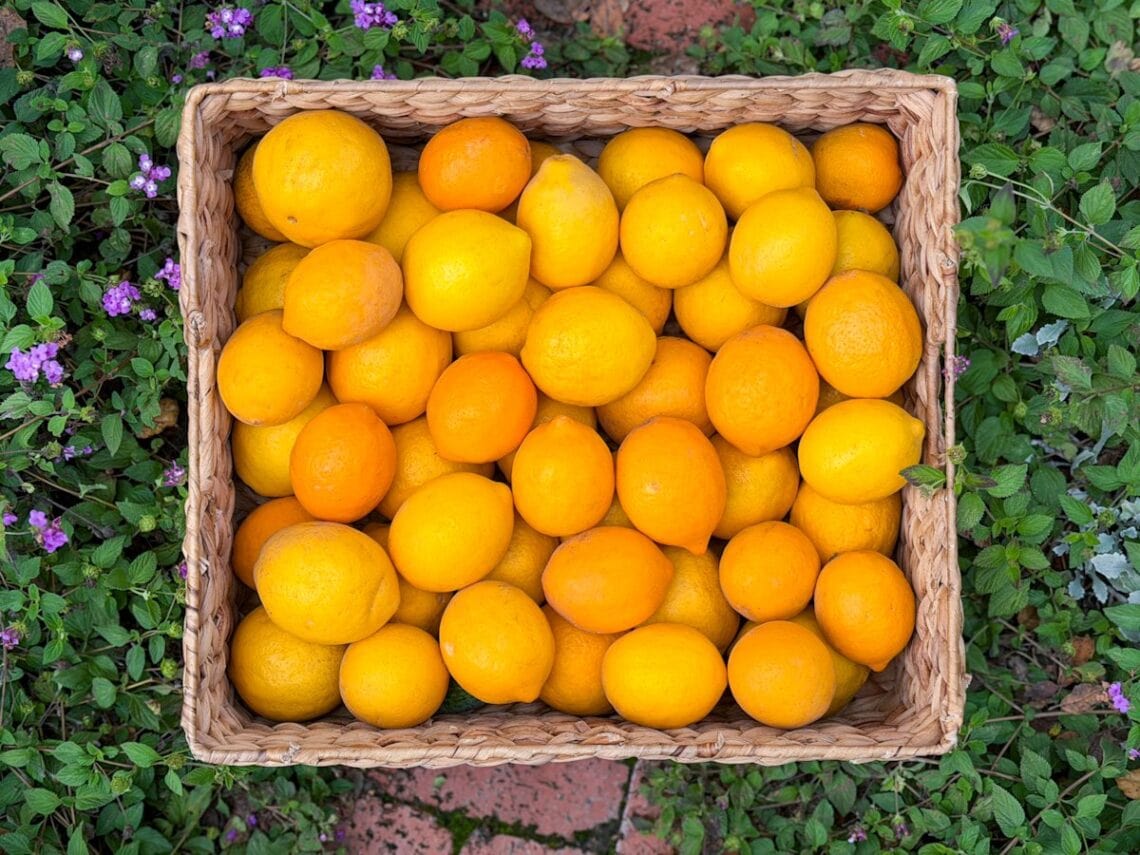
If you have an abundance of fresh lemons, you’re in the right place! Here are 10 of the best ways to preserve lemons, including creative and delicious recipes to freeze, dry, can, pickle, candy and more.
I’ve had a big bountiful lemon tree in my garden for over 10 years so I’m always experimenting with new ways to use and preserve them. This list includes some of my personal favorite ways to preserve lemons – including unique ideas beyond eating them!

Consuming Lemon Peels: Use Organic Only!
Health experts warn that non-organic lemon peels are especially high in chemical fungicides and pesticides. Therefore, it’s best to use organic lemons for any recipe where you’ll eat the peel, zest, or rind – such as preserved whole lemons or candied lemon peels.
Even then, I recommend giving store-bought organic lemons a thorough scrub under warm running water (or even use a natural fruit and vegetable wash) to help remove “organic” waxes or sprays.
However, it’s perfectly fine to use conventionally-grown lemons for non-edible uses like dried ornaments or DIY cleaning spray, or when you’ll only be consuming the juice!
1) Freeze Lemon Juice
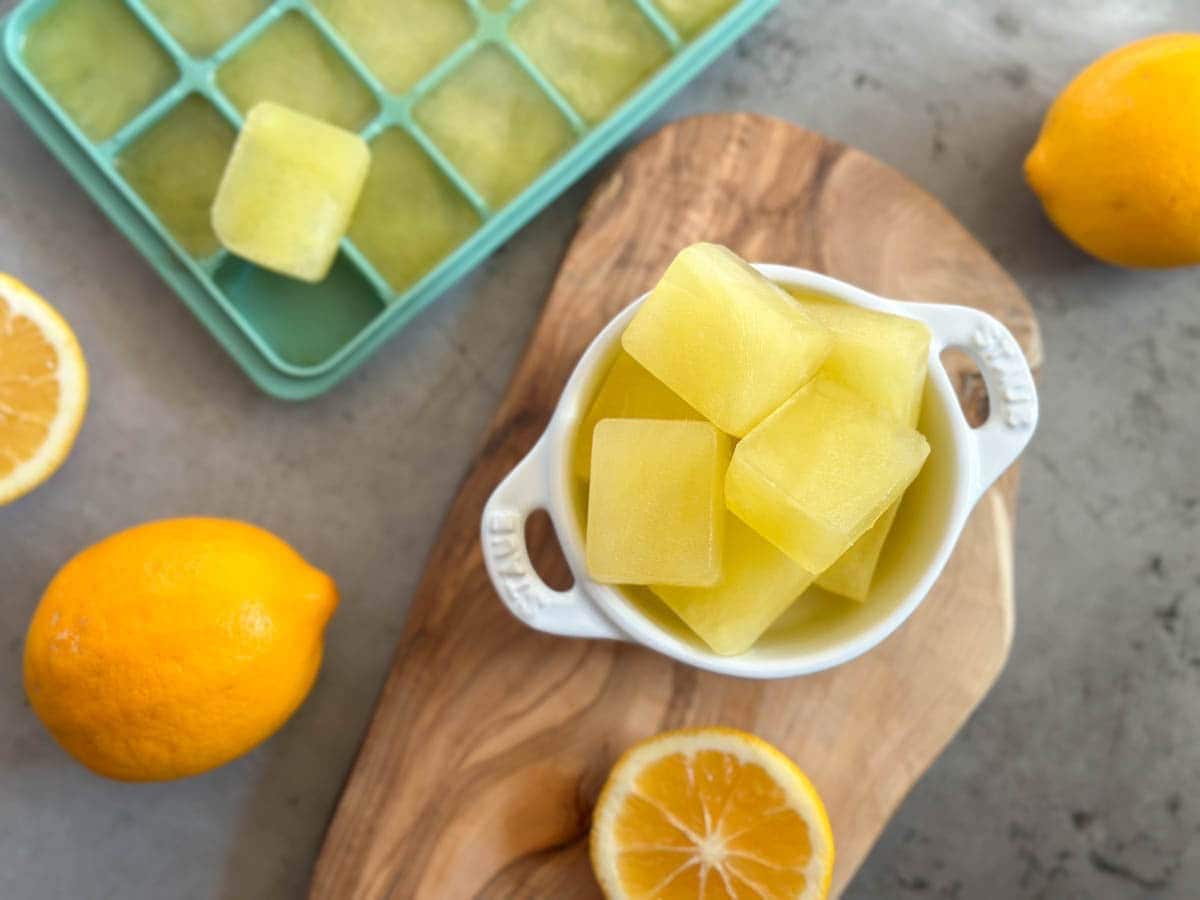
Freezing lemon juice is one of my favorite quick, easy, and practical ways to preserve lemons. I use a manual juicer to squeeze them, and then pour the juice through a fine mesh strainer to catch any seeds or pith.
I like to freeze lemon juice in ice cube trays, and then pop them into an airtight container (like a ziplock bag) for long-term storage once they’re frozen. Then I can grab a lemon cube to add to water, tea, mocktails, or defrost them to use in homemade salad dressing, sauces, or other recipes!
You can freeze lemon juice in larger volumes too, such as in half-pint or pint size freezer-safe containers.
PRO TIP: Measure the size of one cube in your tray (e.g. in teaspoons or tablespoons) as you fill it. Then you know the exact serving of each lemon cube for easy use in recipes.
2) Salt Preserved Lemons
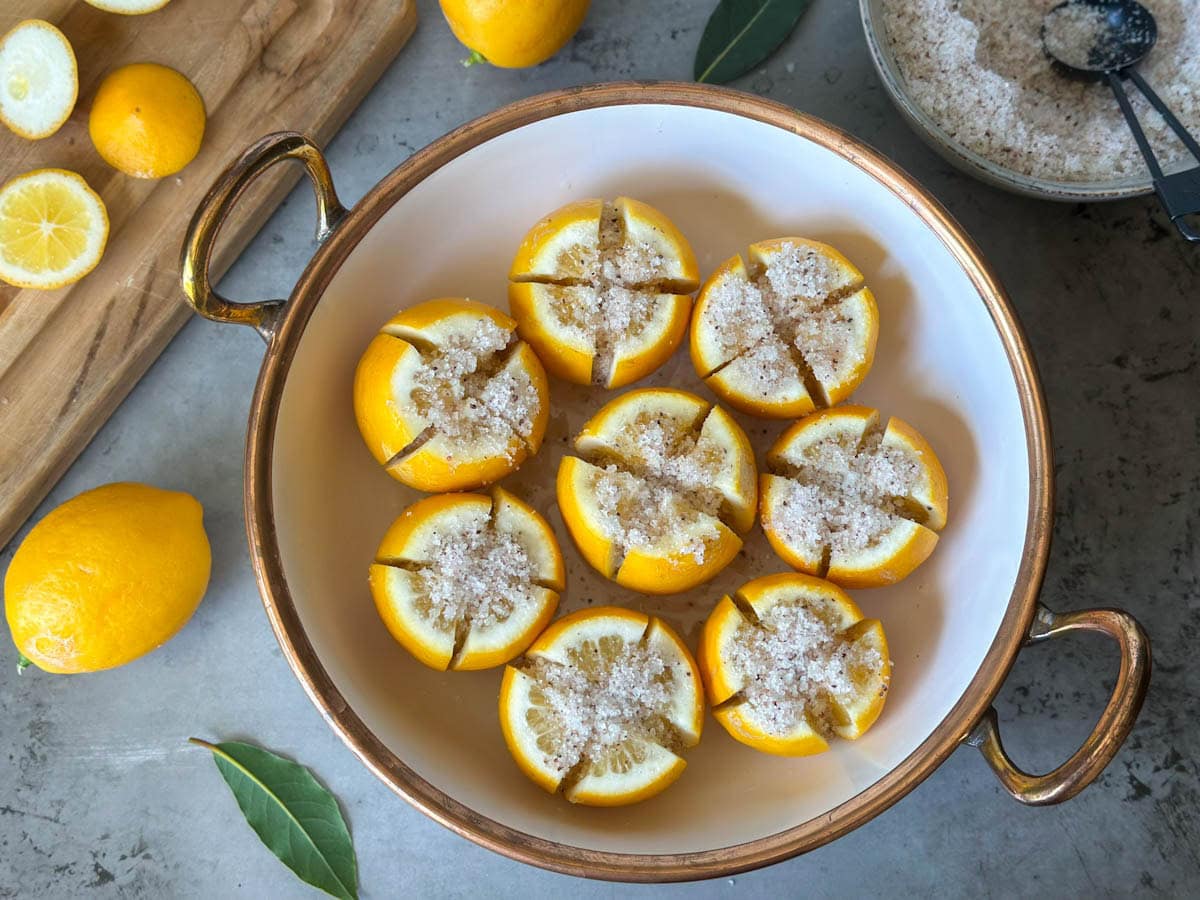
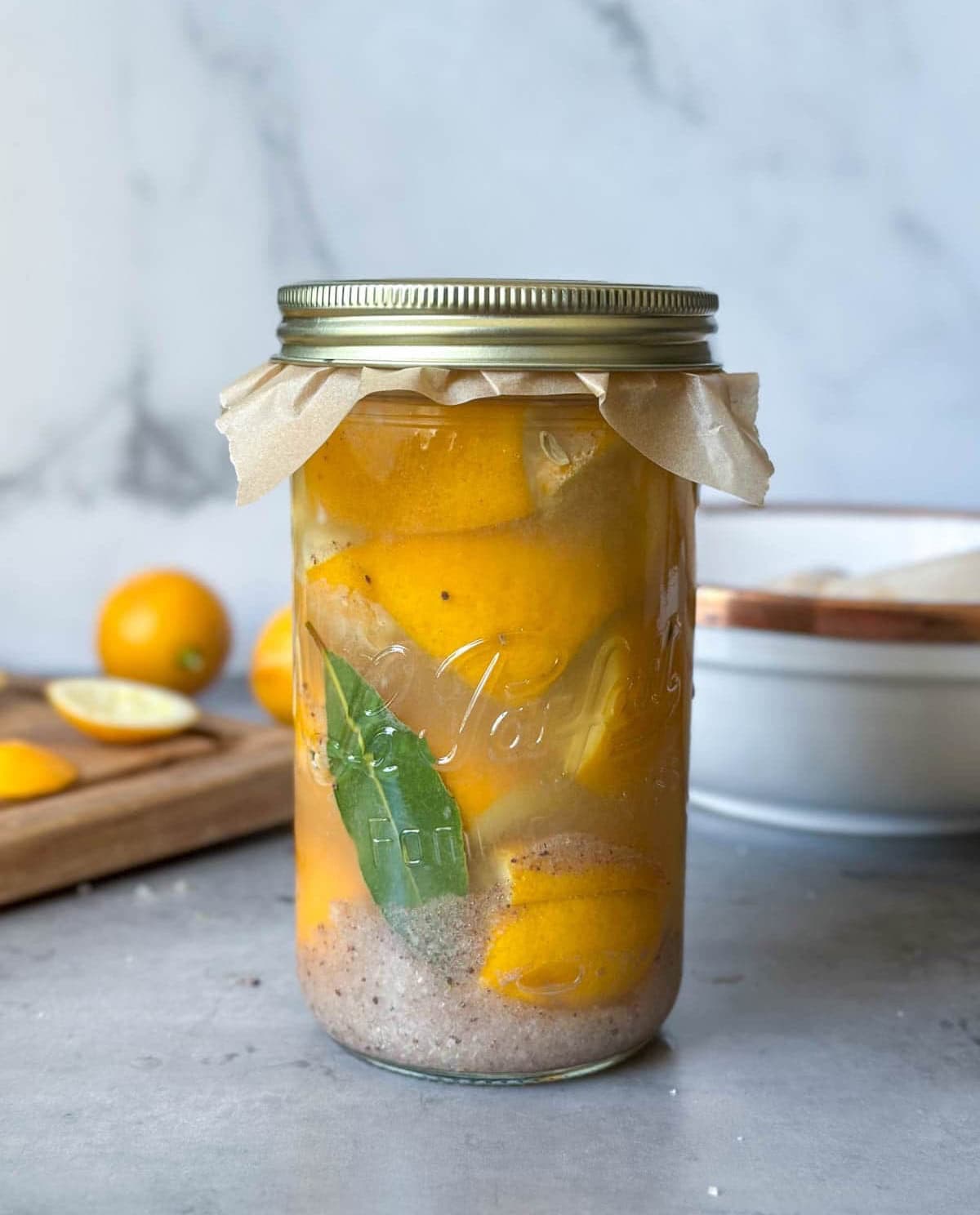
Here’s a classic option: salt preserved lemons aka salt-pickled lemons. Naturally fermented and cured in salt, the lemons become increasingly soft, flavorful, and less bitter. I love to use homegrown Meyer lemons, which are exceptionally sweet and delicious!
Preserved lemons add a wonderful burst of bright tangy flavor to a wide variety of meals including stews, marinades, tagine, pilaf, pasta, chicken, fish, stir fry, salads and dips. I often add mine to homemade salad dressing, hummus, dill yogurt sauce and roasted vegetables.
Here’s my step-by-step guide to make salt preserved lemons (with tips to rinse and use them). Once made, they’ll stay good for about a year stored in a cool dark location.
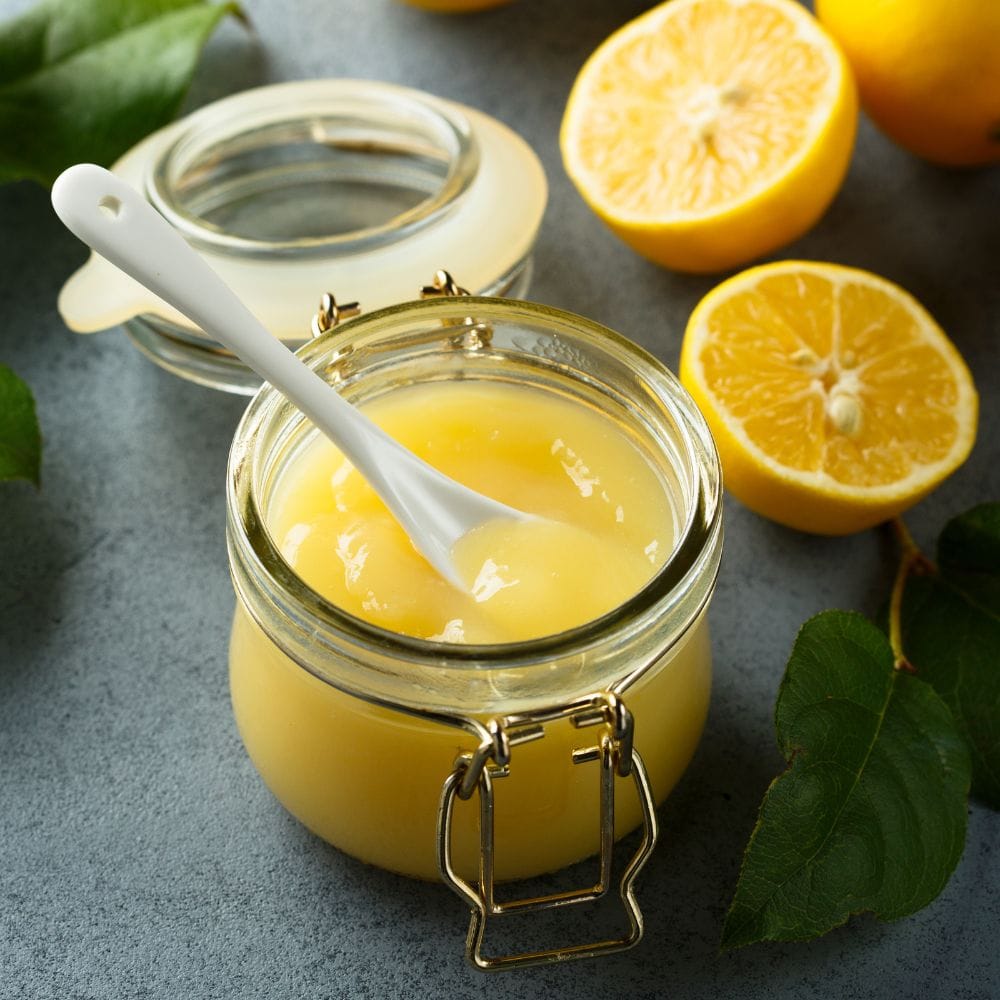
3) Lemon Curd (Freeze or Can)
Lemon curd is a thick, rich, custard-like fruit spread made from lemon juice, lemon zest, sugar, eggs and butter – a great combo if you also have backyard chickens like me! It’s sweet, tart, creamy, and absolutely delicious on top of toast, ice cream, English muffins, pancakes, waffles, or layered inside cakes, cupcakes, or tarts. I love to add a dollop to plain yogurt and sourdough granola for breakfast.
To freeze and preserve lemon curd, simply portion it out into freezer-safe containers and use within one year. Defrost in the refrigerator and stir well before use.
You can also can lemon curd, but be sure to use a recipe that’s tested and approved for canning if so. (Yet unfortunately most canning recipes call for bottled lemon juice, which kinda defeats the goal of preserving fresh lemons…)
Looking for even more lemon recipes? I also use fresh lemons to make our delicious besto pesto recipe (and freeze it), homemade lemon ginger cough drops, elderflower cordial, holiday simmer pots, and homemade fire cider!
4) Dry Lemon Slices
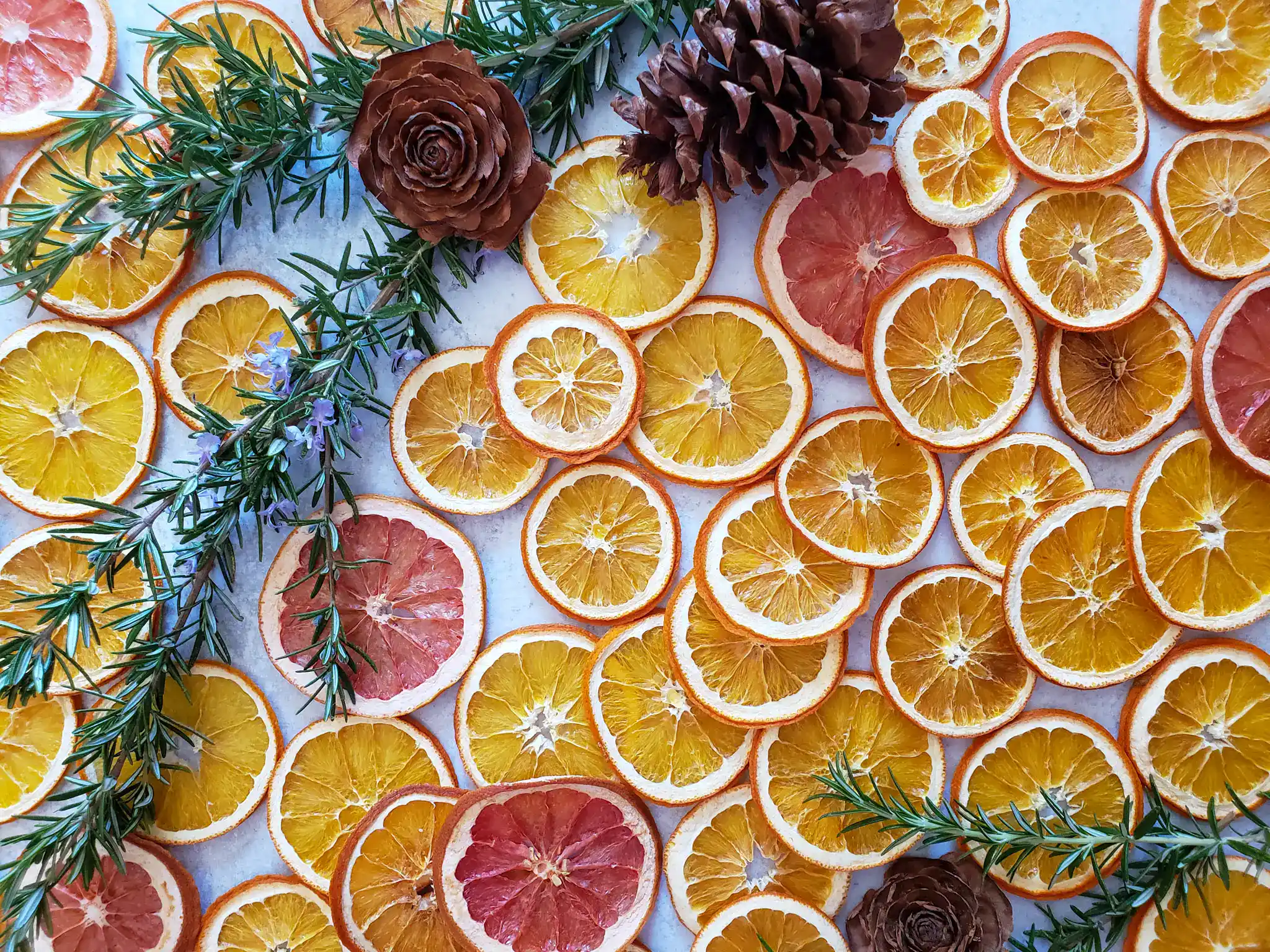
Dried lemon slices can be used for edible creations, beverages, or natural holiday decorations – my personal favorite!
Every year, I dry several trays of lemons, oranges, and grapefruit to make DIY dried orange garlands and ornaments for our tree. They look so festive and beautiful, especially when backlit by string lights or in a sunny window. I also like to use dried lemon slices in aromatic simmer pots aka stovetop potpourri.
If you use organic lemons, you can eat them too! Dried lemon slices are excellent in hot tea, mulled wine, or on the rim of a cocktail or mocktail. You can also use dried lemons to infuse olive oil, or dip them in sugar before drying for a sweet little twist.
See my guide and top tips to dry lemon and orange slices in either the oven or a food dehydrator (which I recommend for the best color preservation).
5) DIY Lemon Vinegar Cleaner
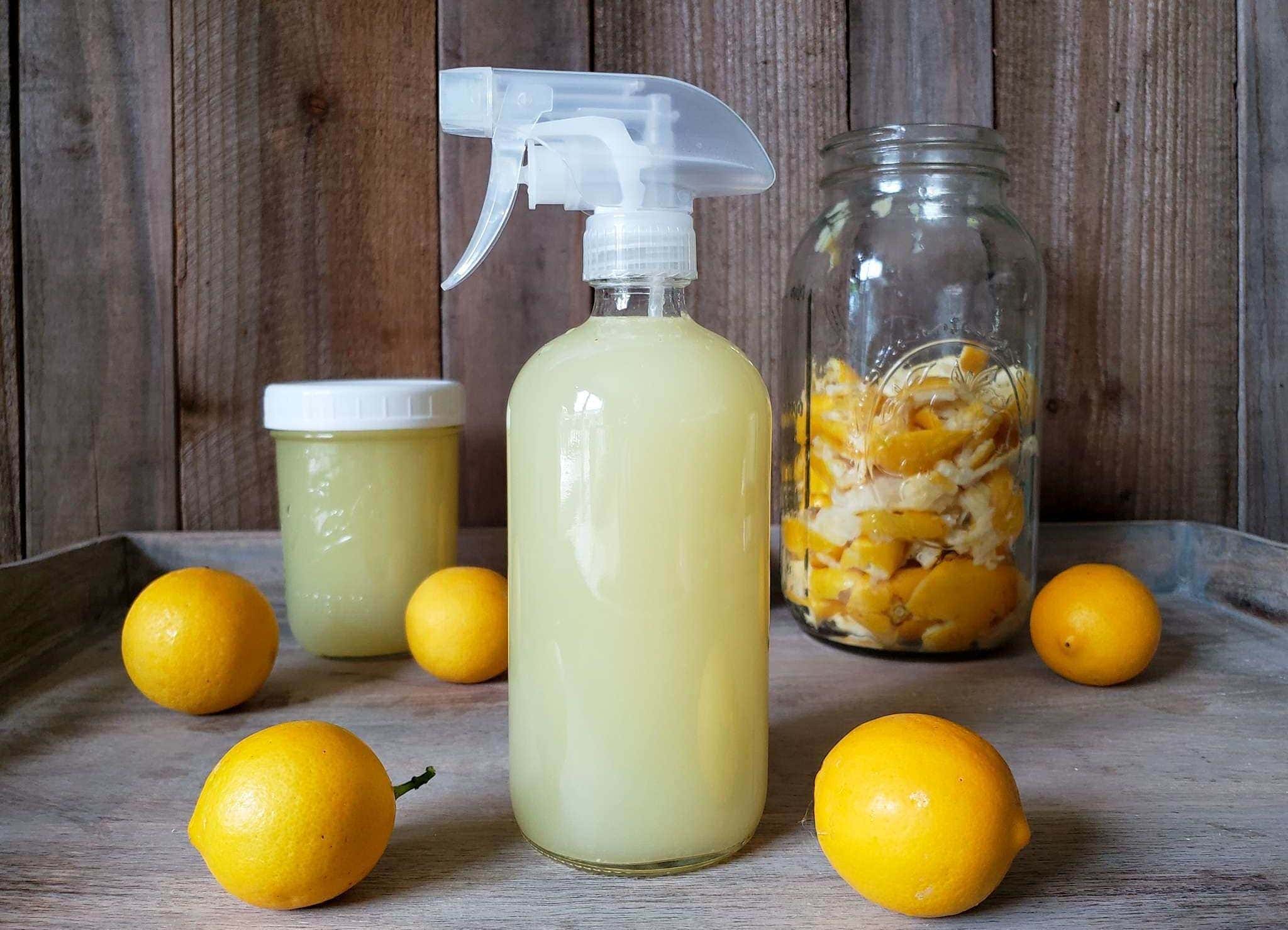
While this isn’t an edible option, it’s a great way to use up some lemons – including whole or sliced lemons, or just the peels.
I’ve been making my own homemade lemon vinegar cleaning spray for years, especially when I have a bunch of rinds leftover after juicing. It’s easy to make, non-toxic, naturally antimicrobial, and smells amazing! (Hint: you can make it with any type of citrus, and add rosemary too.)
This natural cleaning spray works best on porcelain (like sinks or toilets), glass, laminate, or other non-reactive surfaces and shouldn’t use used on granite, marble, or other porous natural stone. I’ve found that it’s excellent at deodorizing dishes and cutting boards too, such as removing onion or “eggy” smells.
Get easy instructions here.
6) Lemon Marmalade (Can or Freeze)
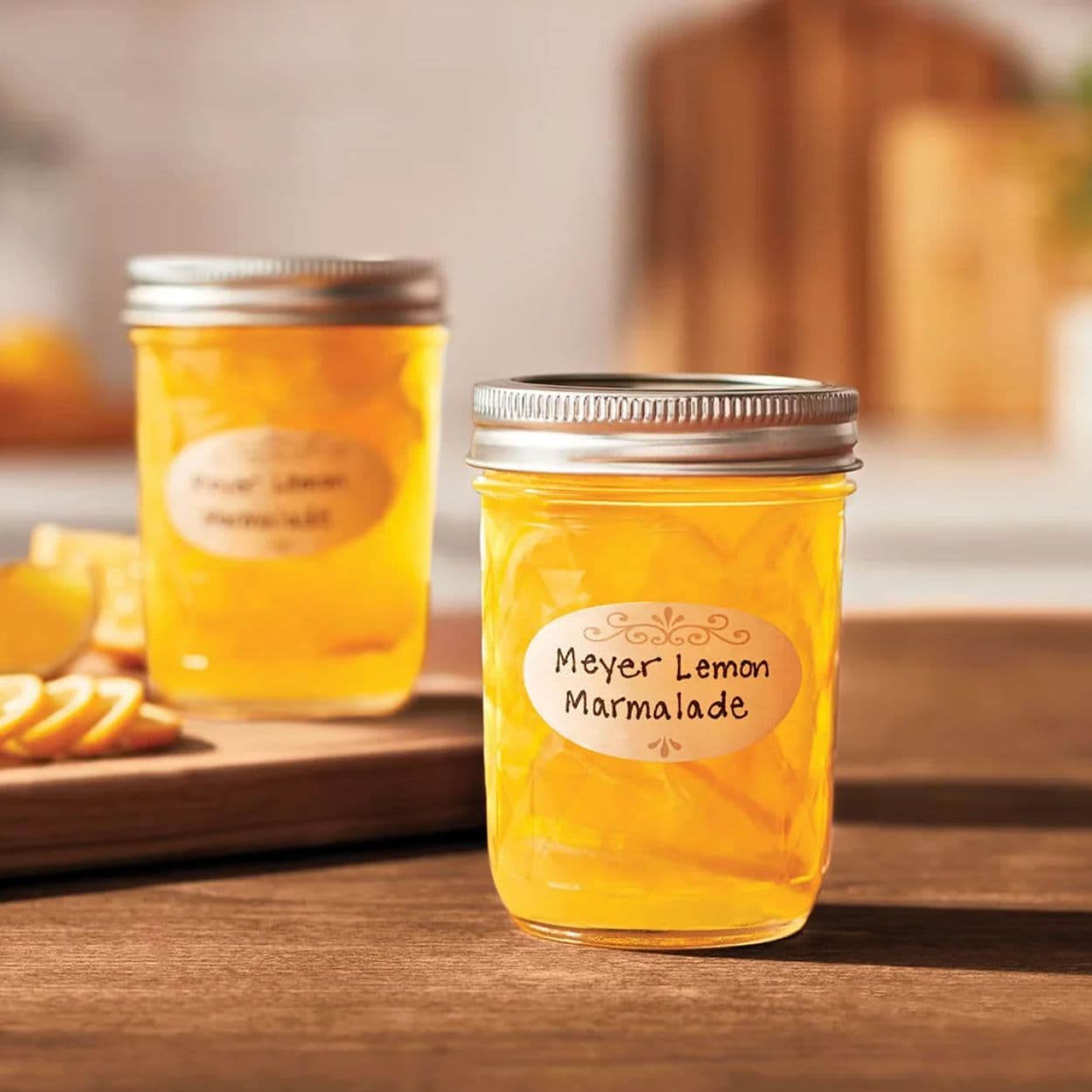
Sweet, tart ‘n tangy – what’s not to love? Lemon marmalade is delicious on top of ice cream, sourdough toast with goat cheese, plain yogurt and more.
Come try this Meyer lemon marmalade recipe from Ball Canning (or freeze it instead). I prefer Meyer lemons since they have an extra tender sweet rind, but you can also follow this recipe that uses regular lemons and honey if you don’t have Meyers available.
Lemonade marmalade was actually one of the very first fruit preserves I ever made! We had a very prolific Meyer lemon tree in the backyard of our first little urban homestead that required us to make alllll the lemony things to keep up.
7) Lemonade or Lemon Syrup (Can or Freeze)
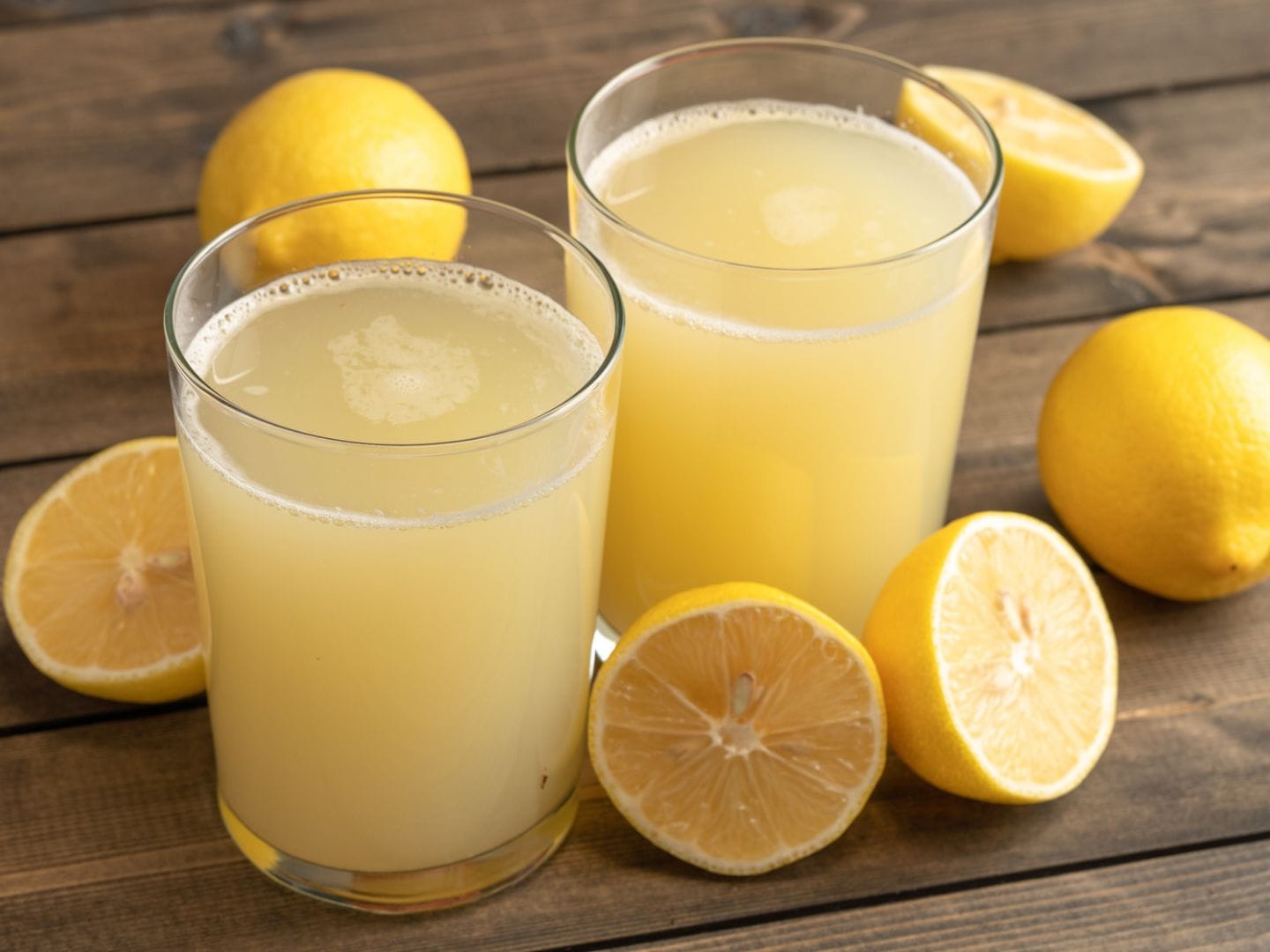
When life gives you lemons, you’re supposed to make lemonade – right? Well, you can do that and then freeze or can the lemonade to preserve it!
Here’s an easy lemonade recipe for canning from Ashely at Creative Canning; she also includes an option for canning sweet lemonade concentrate (aka lemon syrup). Canning concentrate or syrup saves space in the pantry, and then you can dilute it later to enjoy as lemonade or use it as-is. For example, I love to add a splash of concentrated Meyer lemon syrup to sparkling water, tea, or mocktails!
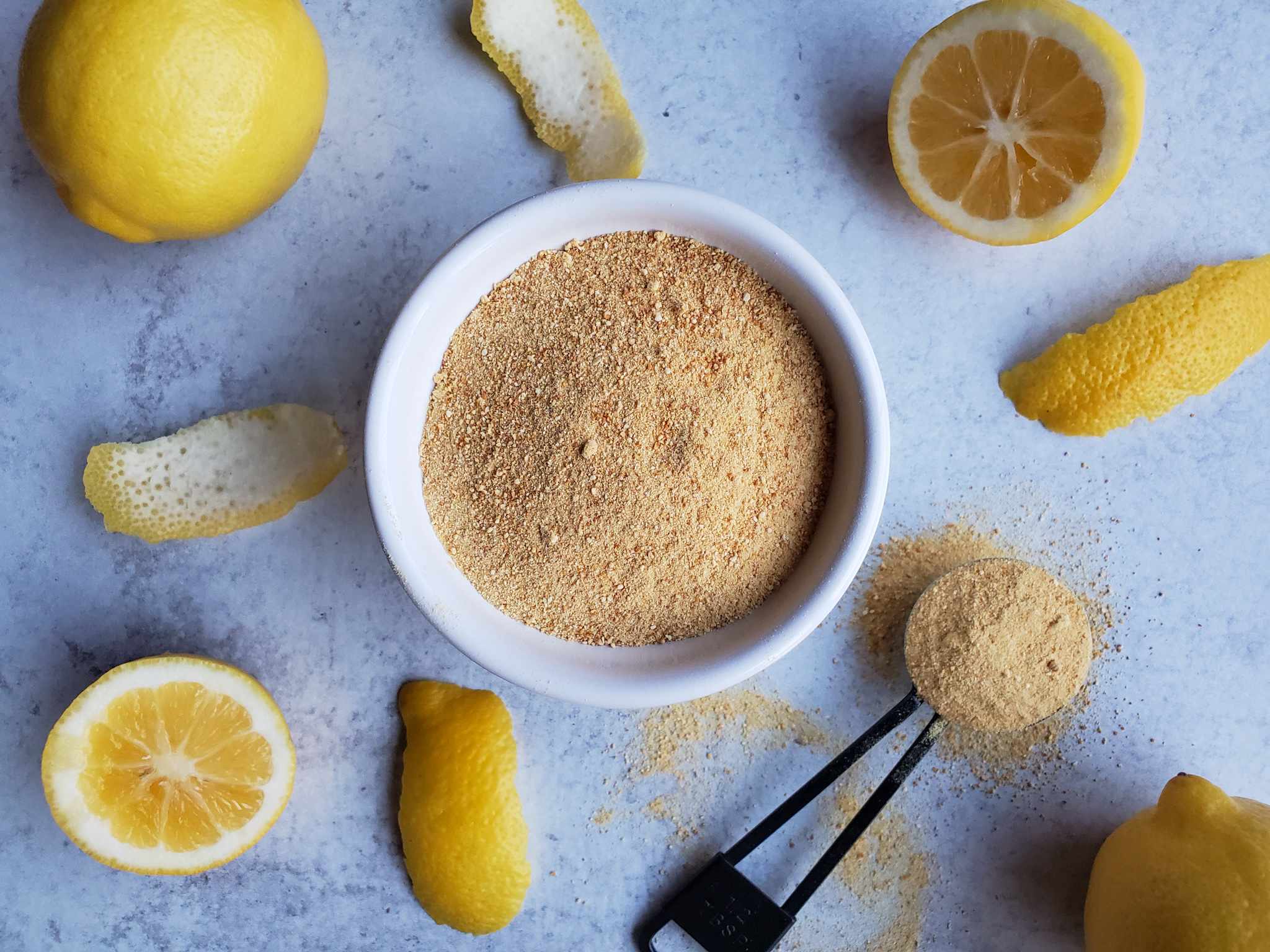
8) Dried Lemon Peel Powder
This is a great zero waste way to preserve leftover lemon peels after you’ve juiced the fruit for another use!
Made from ground-up dehydrated lemon peels, lemon powder is a delicious and versatile seasoning. You can add to any dish where a pop of bright zesty citrus flavor is welcome: salads, dressings, dips, baked goods, roasted veggies, chicken, fish and more. I love to sprinkle it on top of avocado toast.
See my step-by-step guide on how to make lemon powder using a food dehydrator or oven. Since we’re consuming the rind, this recipe is best made with organic lemons (and sweet Meyer lemons are especially delicious).
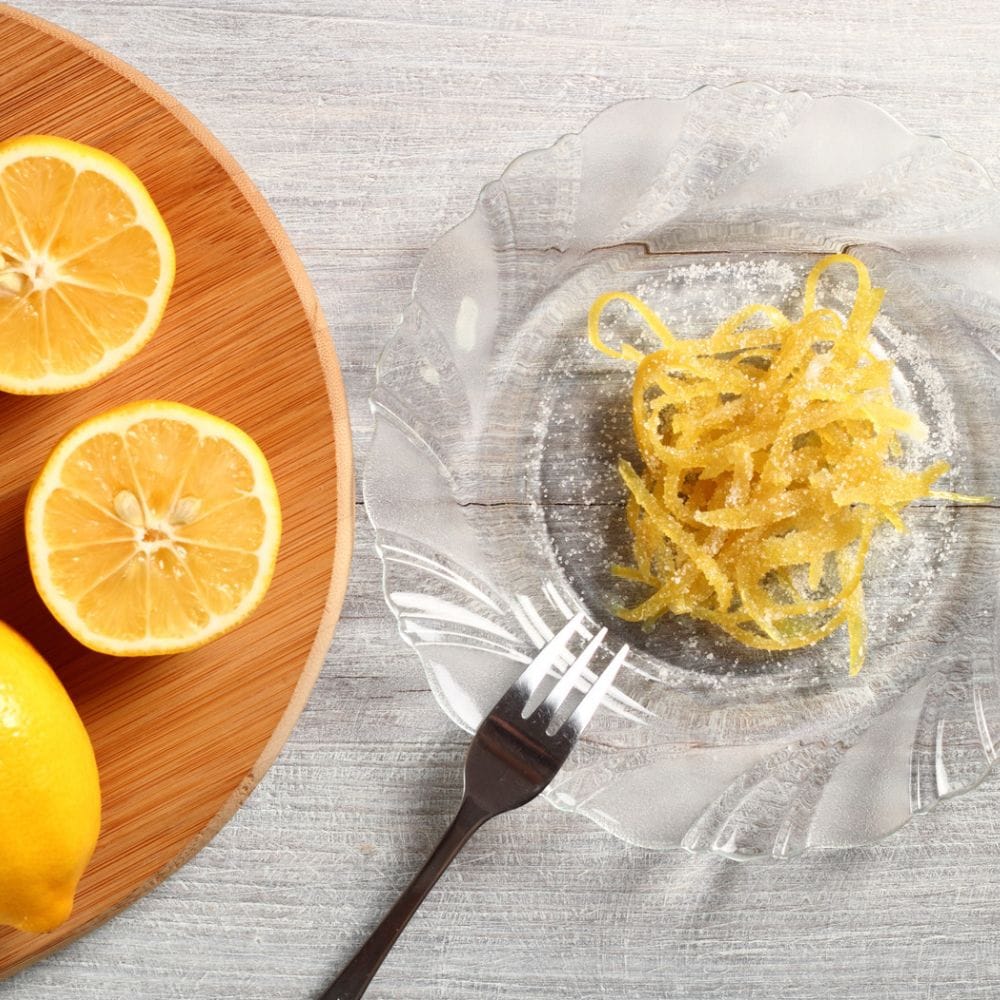
9) Candied Lemon Slices (or Peels)
Another option is to candy lemons in sugar, either in thin round slices or just the peels. Candied lemons (aka sugared lemons) are sweet, sour, and chewy – often used to decorate baked goods, the rim of a cocktail glass, or even eaten on their own.
Megan from Pip and Ebby shares her popular recipe where “fresh lemon slices transform into sweet, glossy garnishes for cakes, cupcakes, cheesecakes, drinks and other desserts.” Or check out this easy tutorial on how to candy just the peels, with the option to dip them in chocolate!
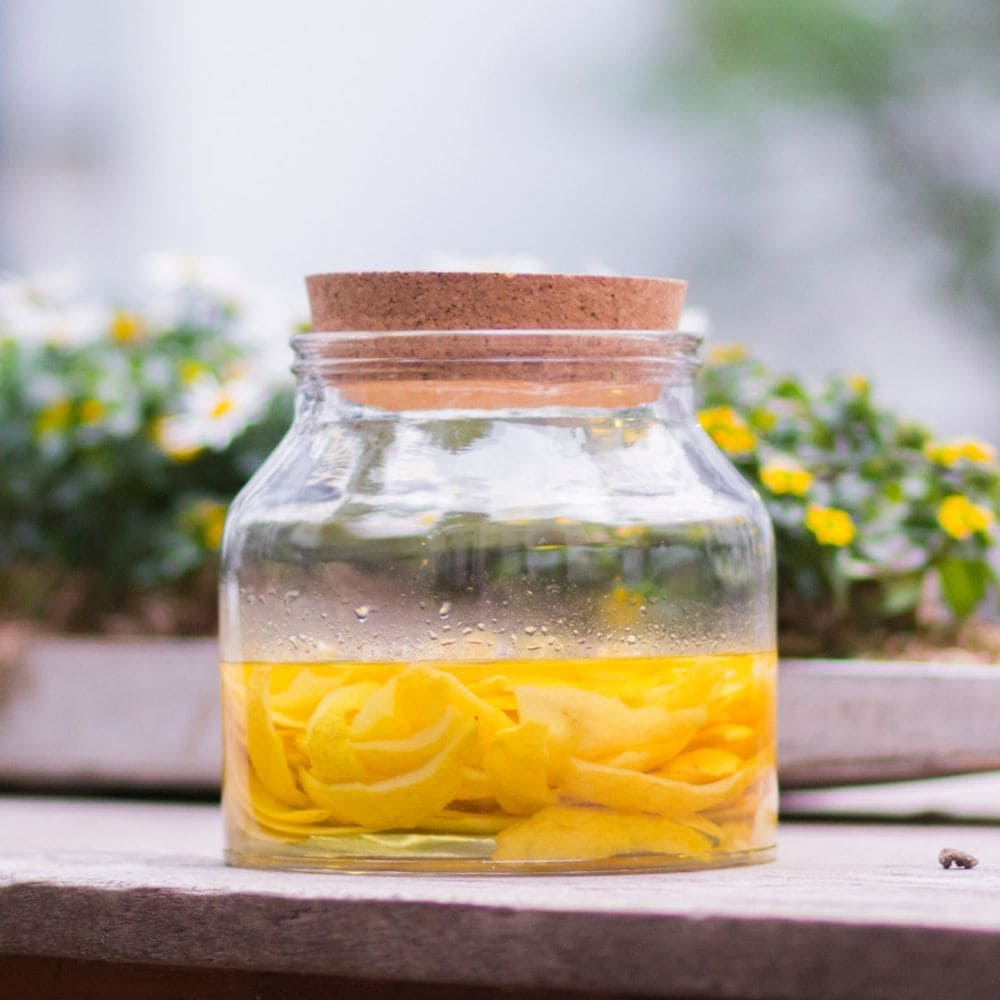
10) Limoncello
Limoncello is a traditional Italian liqueur made with lemons, alcohol and sugar. It’s easy to make, but requires a little patience!
Start by allowing lemon zest or peels to infuse in a neutral-flavored alcohol (usually vodka or Everclear) for several weeks, then strain away the peels and mix in a simple syrup to sweeten it at the end. Then you can enjoy your homemade limoncello in cocktails, drizzled over desserts, or sipped on alone.
Here is a popular limoncello recipe from the Mediterranean Dish.
So when life gives you lemons…
…now you have plenty of ideas to make great use of them! I hope you found some new interesting recipes to try. Please let me know if you have any other fun or unique ideas in the comments below. Enjoy!
You may also like:
- 13 Best Ways and Recipes to Preserve Tomatoes
- 13 Must-Try Zucchini Recipes: Clever Ways to Use or Preserve Zucchini
- 5 Easy Ways to Preserve Garlic: Dry, Freeze, Pickle and More
- 7 Ways to Preserve Green Beans: Can, Freeze, Dry, Pickle
- Easy Homemade Fruit Leather Recipe (Dehydrator or Oven)


You May Also Like

Easy Hot Pepper Honey Recipe (Fermented Jalapeño Honey)

Madras Curry Lentils Recipe
