

Easy Homemade Elderflower Cordial (Syrup) Recipe
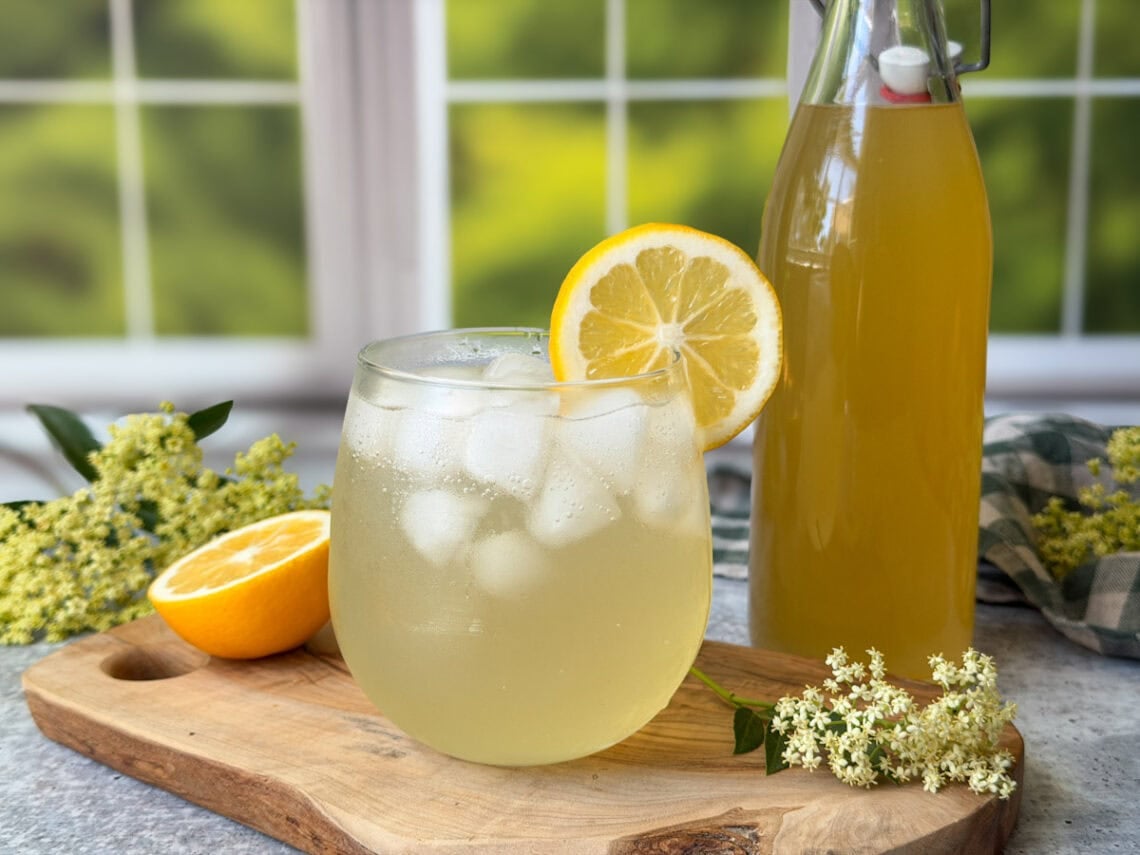
Follow my easy recipe to make delicious homemade elderflower cordial (sometimes called elderflower syrup). The delicate, floral flavor of fresh elderflowers come together with bright notes of citrus to create a concentrated sweet and tangy syrup.
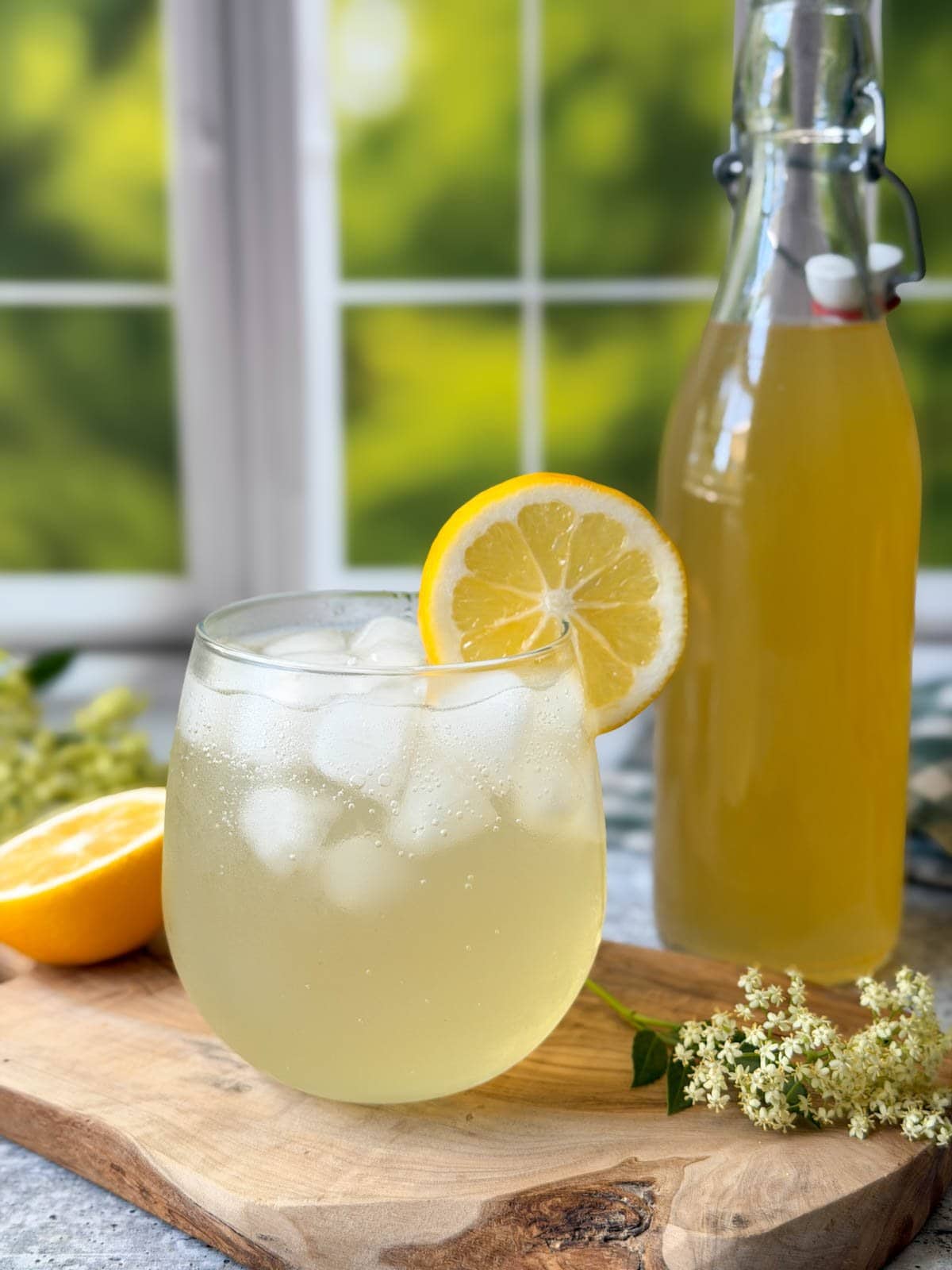
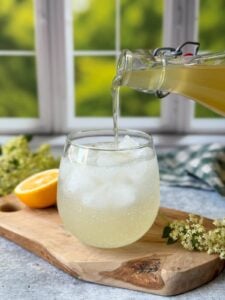
Mix a splash of elderflower cordial in sparkling water to make a refreshing natural “soda”, or add it to cocktails, mocktails, desserts and more. See a complete list of ways to use it at the end of this post.
This is one of my favorite spring or summertime treats!
Want to save this?
I have nearly a dozen wild elderberry bushes growing on my property, but unfortunately the berries never get very large or juicy in our dry climate. So this recipe is a perfect way for me to use the flowers at least, along with our homegrown lemons!
About Elderflowers
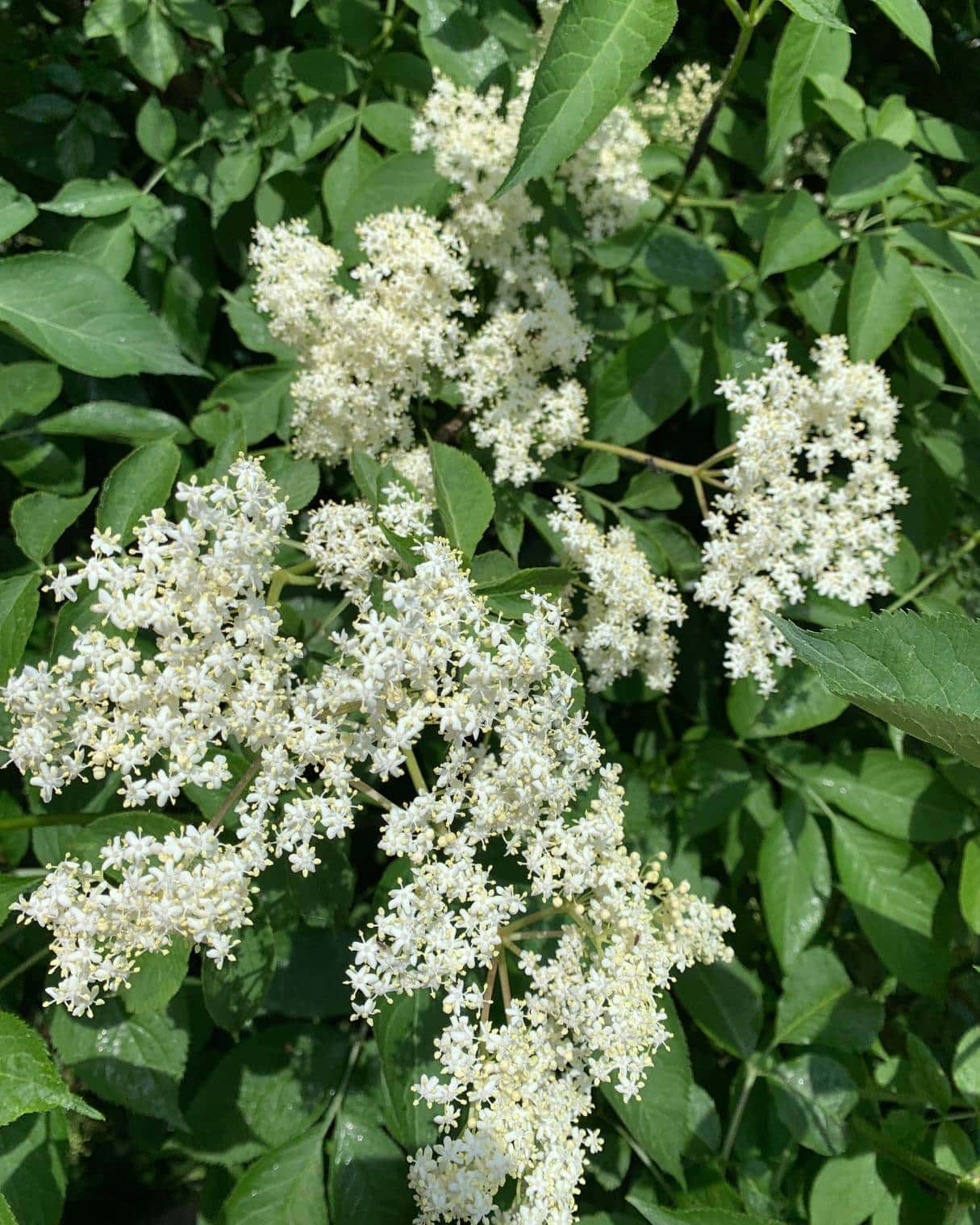
- Blooming in late spring to early summer, elderflowers appear on elder shrubs (Sambucus spp) just before the berries form. The tiny delicate flowers grow in large clusters that can range from 4 to 10 inches across.
- Elderflowers are part of the Honeysuckle family and are prized for their sweet, musky aroma. Boasting floral, fruity and slightly herbaceous flavors with notes of vanilla, pear, and tropical lychee, elderflowers are popular for cordials, syrups, teas, baked goods, fritters, and desserts (often enhanced with citrus).
- Elderflowers are used for both culinary and medicinal purposes. Like elderberries, the flowers are are rich in antioxidants, vitamins, flavonoids, and other bioactive compounds that help reduce inflammation and support the immune system, digestive system and overall health.
RELATED: Don’t miss our elderberry syrup recipe, homemade elderberry tincture, or easy elderberry gummies recipe!
Elderflower Cordial vs Elderflower Syrup
Elderflower cordial and syrup are often used interchangeably, though they’re made with a slightly different process.
Cordial recipes are typically more complex, using citrus and/or citric acid for a sweet-and-sour flavor profile and natural preservative, while simple syrups are usually made with only sugar and water. Also, cordial is often made by macerating the elderflowers (soaking them in sugar for several days) rather than quickly boiling them.
Can I make elderflower cordial with dried flowers?
Yes, you can absolutely make this elderflower cordial recipe using dried flowers. The flavor will be slightly different (a bit more earthy) but still delicious! Since dried flowers are more concentrated, simply use 1/3 to half the amount (e.g 1/3 to 1/2 cup of dried elderflowers to 1 cup fresh).
Supplies Needed
- small saucepan or pot
- quart-size glass jar with a leak-proof lid. If you wish to double the recipe, use a larger bowl or half gallon mason jar for infusing instead.
- fine mesh strainer and/or cheesecloth for straining. I like to use both since the elderflowers are so fine.
- bottles or jars for final storage
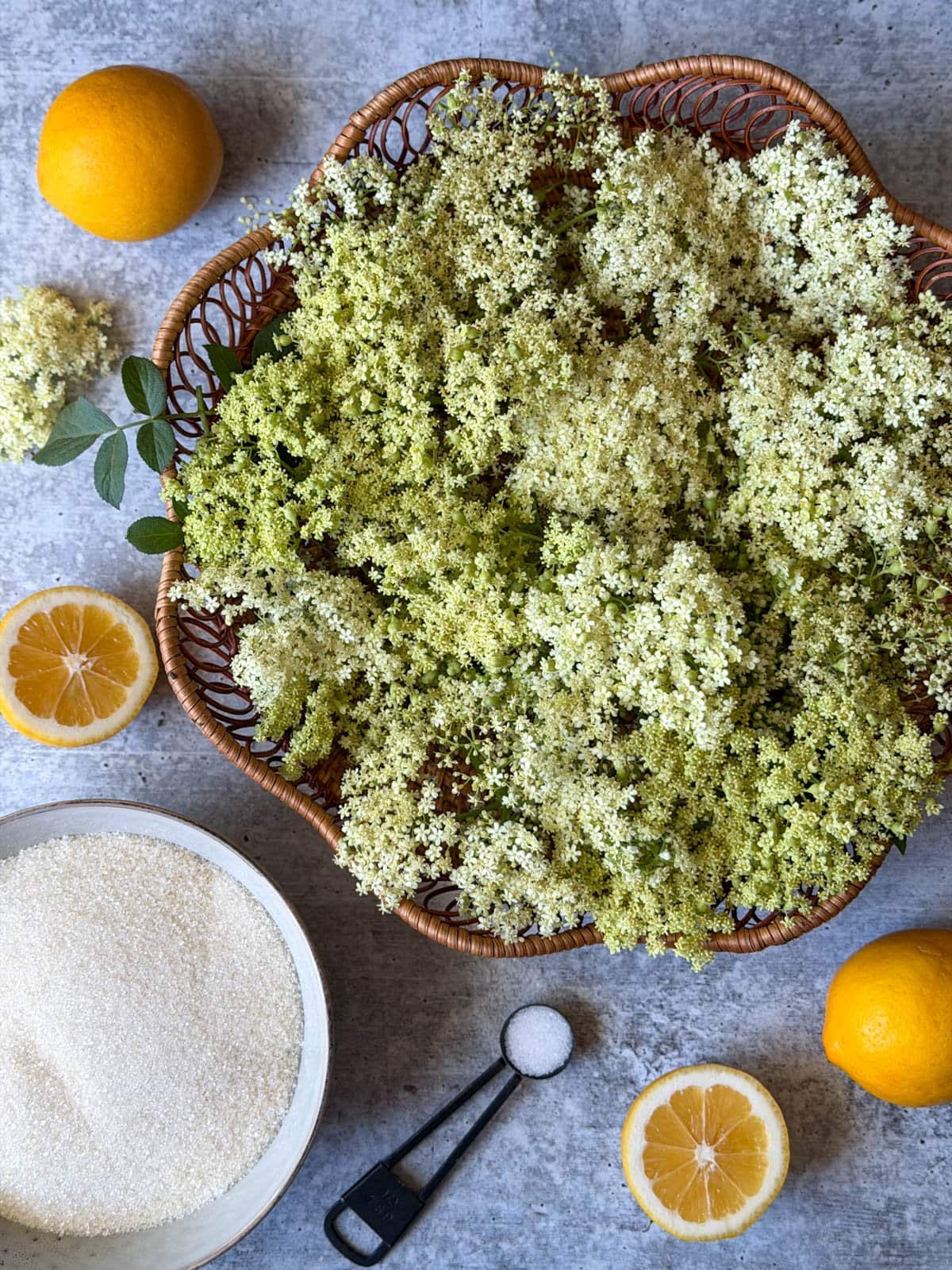
Ingredients
This recipe makes about 1 quart or 4 cups of finished elderflower cordial. Feel free to double it if you have a lot of flowers!
- 1 to 2 cups of fresh elderflowers, stems removed. In my experience, this is about a dozen medium to large elderflower heads. (Or use 1/3 to 1/2 cup dried elderflowers)
- 2 cups water
- 2 cups sugar – I like to use organic cane sugar
- 1 to 3 organic lemons, depending on their size and how lemony you want it. I usually use 3 medium-size Meyer lemons from my garden… they’re so sweet! I like to slice up 1 or 2 to add to the bottom of the jar, and then squeeze the juice of 1 lemon right into the jar too.
- 1/2 tsp citric acid (optional but recommended). Citric acid boosts the acidity for better preservation and shelf life.
Same Day Option
While some other elderflower cordial recipes quickly heat everything together, I prefer to avoid boiling the flowers and let them passively soak for a couple days instead. This helps preserve the delicate flavor and maximum nutrients possible. I think it’s worth the wait!
However, if you’re in a rush and want to make your elderflower cordial in one day, you can simply combine all the ingredients together in a pot, bring it to a boil, simmer for 10 to 15 minutes, let it cool, and then strain and bottle.
1) Harvest and De-Stem Elderflowers
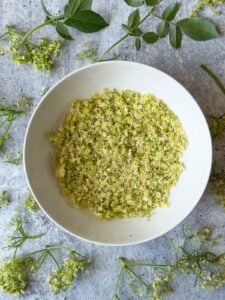
- Harvest fresh elderflower clusters. It’s best to harvest flower clusters when they’re in full bloom (with at least 75-80% of the flowers open) but before they start to fade and form immature berries. Elderflowers are most flavorful and fragrant once they change from bright white to light yellow.
- Do not wash the flowers. They’re super delicate – and a lot of the flavor/aroma will wash away too! If needed, give them a gentle shake to dislodge debris.
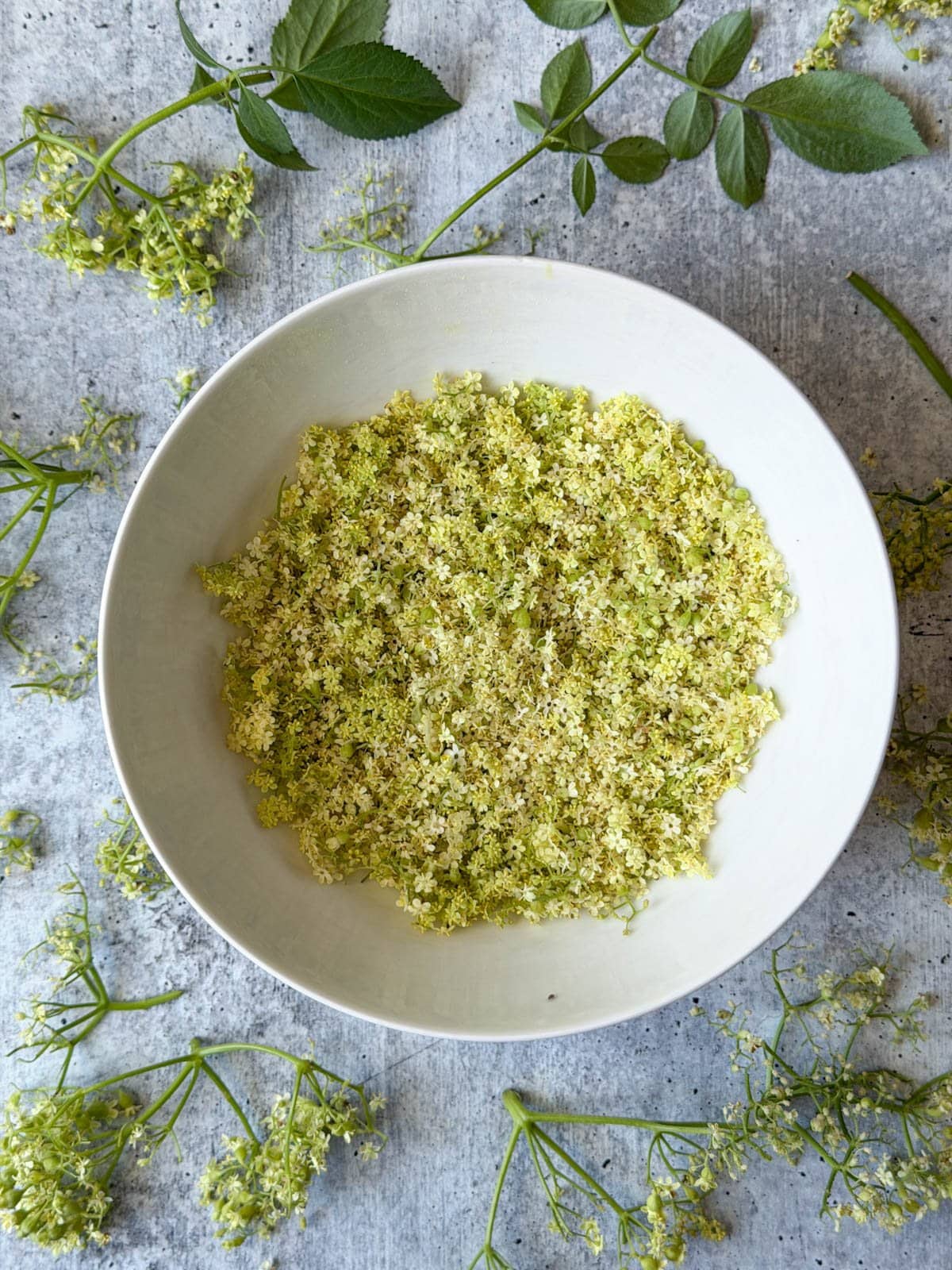
- Remove the individual flowers from the green stems, which are slightly toxic. (The flowers are not.) This is a bit tedious but important! It’s okay if there are some teeny tiny stems left behind, but do your best to remove as much of them as possible.
- Measure as you go, until you have at least 1 cup of elderflowers – up to 2 cups if you prefer a stronger flavor)
- I like to work over a small bowl, pinching the tiny flowers off away from the stems. I also like to have tweezers handy, which make it quick and easy to pick out any bad blossoms, insects, large stems, or other impurities.
2) Heat the Syrup
- Combine sugar and water in a small pot on the stovetop and bring it to light boil. Stir to combine.
- Once the sugar is fully dissolved, remove from mixture from the heat and add the citric acid while it’s still hot. Mix well to combine.
- Set the pot of syrup aside to cool slightly while you do the next step. We want to pour the syrup into the jar while it’s still quite warm, but not boiling hot.
3) Fill the Jar
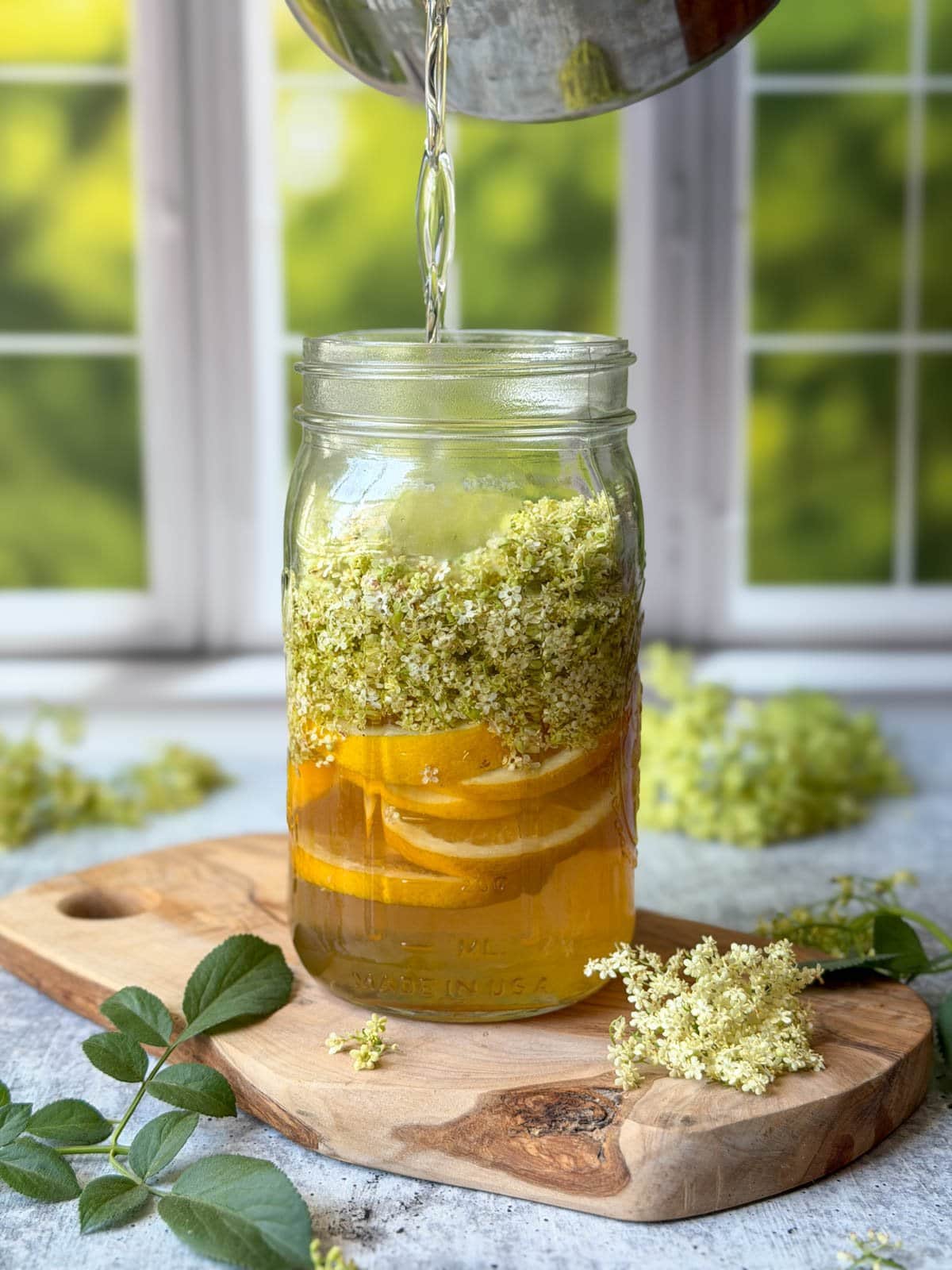
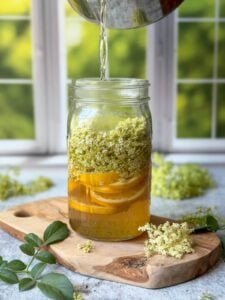
- Thoroughly wash 1 to 2 lemons, cut them into thin slices, and add them to the bottom of a clean quart jar. I also like to squeeze in the juices from an additional lemon.
- Next, add 1 to 2 cups of de-stemmed elderflowers to the jar.
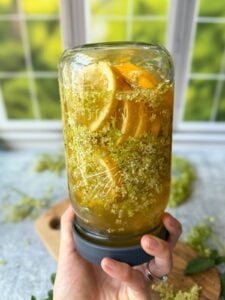
- Finally, pour the warm sugar water mixture over the flowers and lemons until the jar is full, and then add a leak-proof lid.
4) Infuse
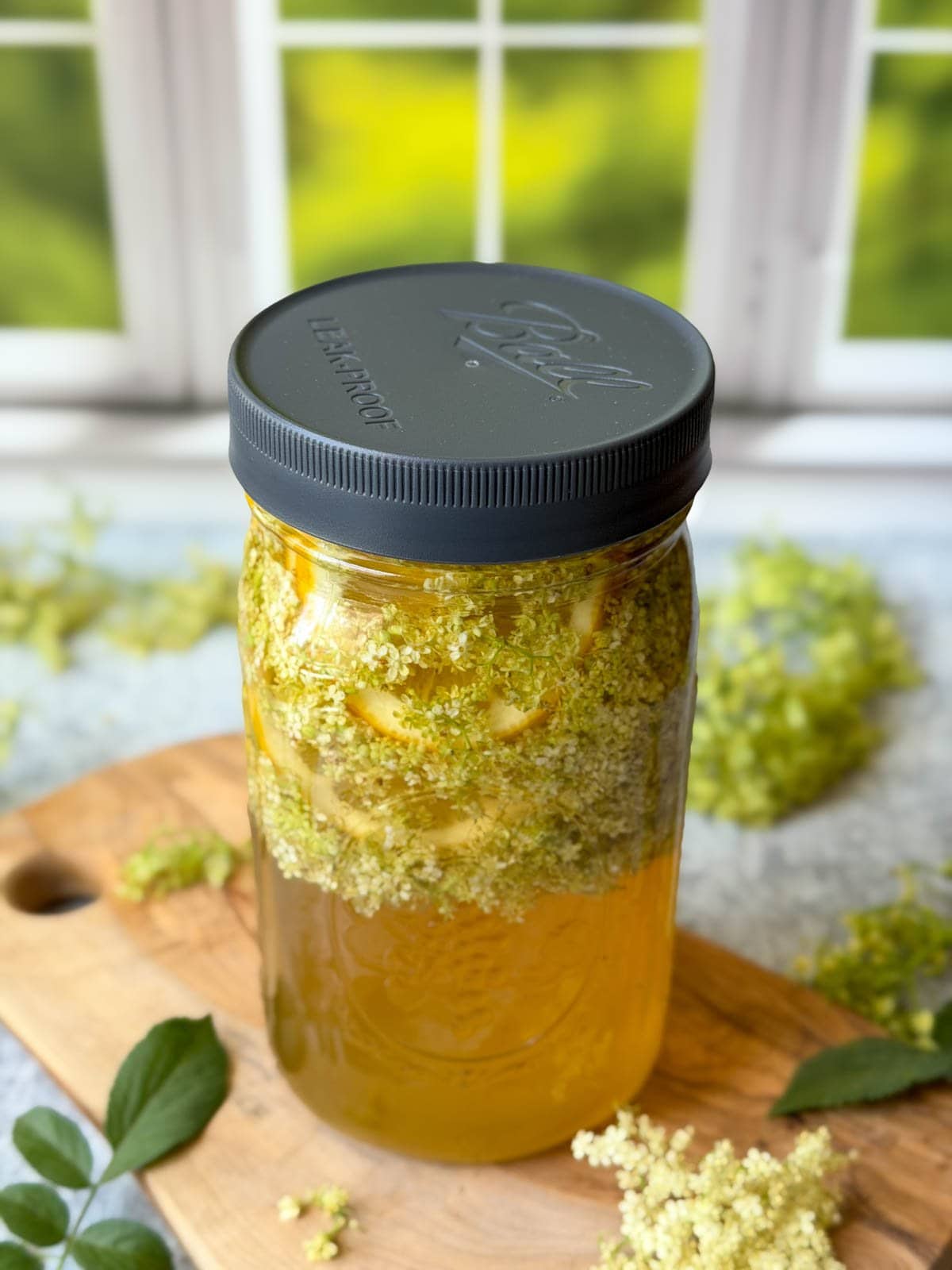
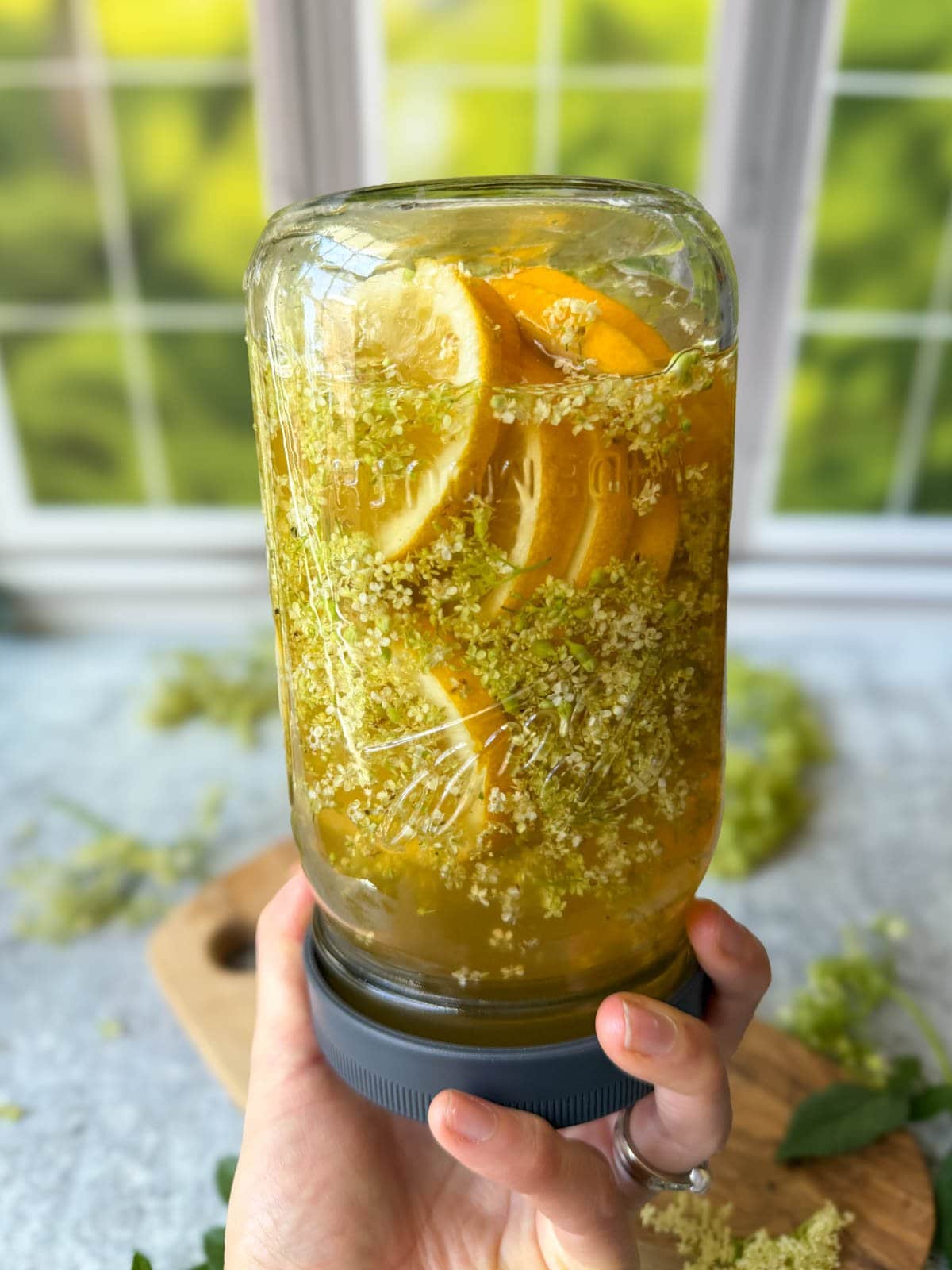
- Now let the jar sit to infuse for 1 to 2 days at room temperature. 3 days may be okay, but I wouldn’t go much longer than that. (Longer could result in unwanted fermentation and gas build-up in the jar.)
- It’s best to gently shake the jar a couple times per day to encourage mixing and reduce the chances of mold growing on top. I keep mine on the kitchen counter to make it easy to remember.
5) Strain and Bottle
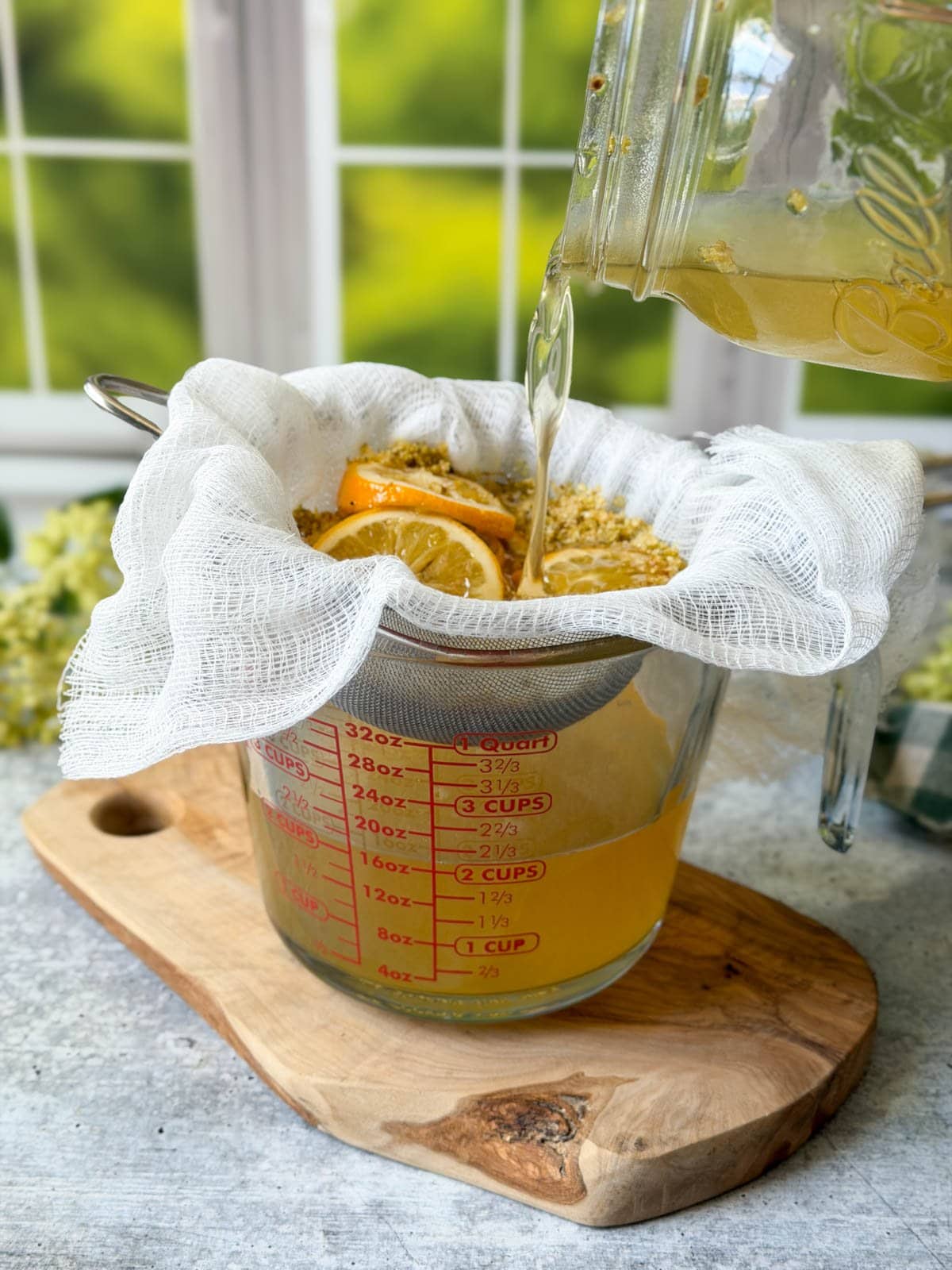
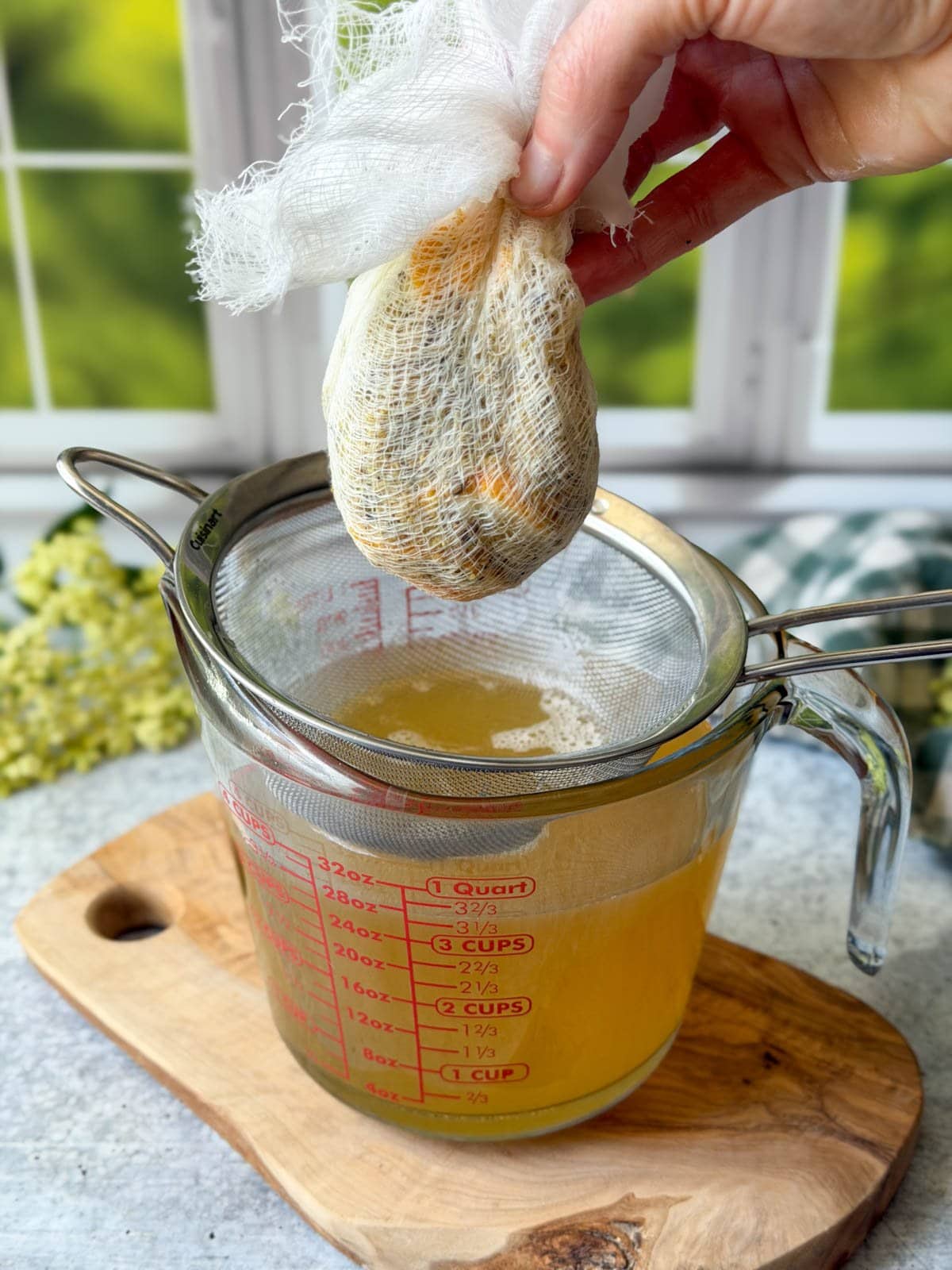
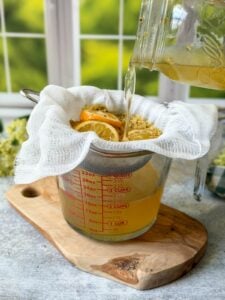
After a couple days of soaking, it’s time to strain the finished elderflower cordial! To do so, I like to line a fine-mesh strainer with cheesecloth for extra filtration. Using cheesecloth also makes it easier to squeeze out every last drop of syrup.
- Position a strainer and/or cheesecloth over a bowl, and carefully dump the contents of the jar into the strainer.
- Let it drain for a few minutes, and then gently press or wring out the solids to extract as much liquid as possible. If you aren’t’ using cheesecloth, use a large spoon or other wide flat utensil to press the solids in the strainer.
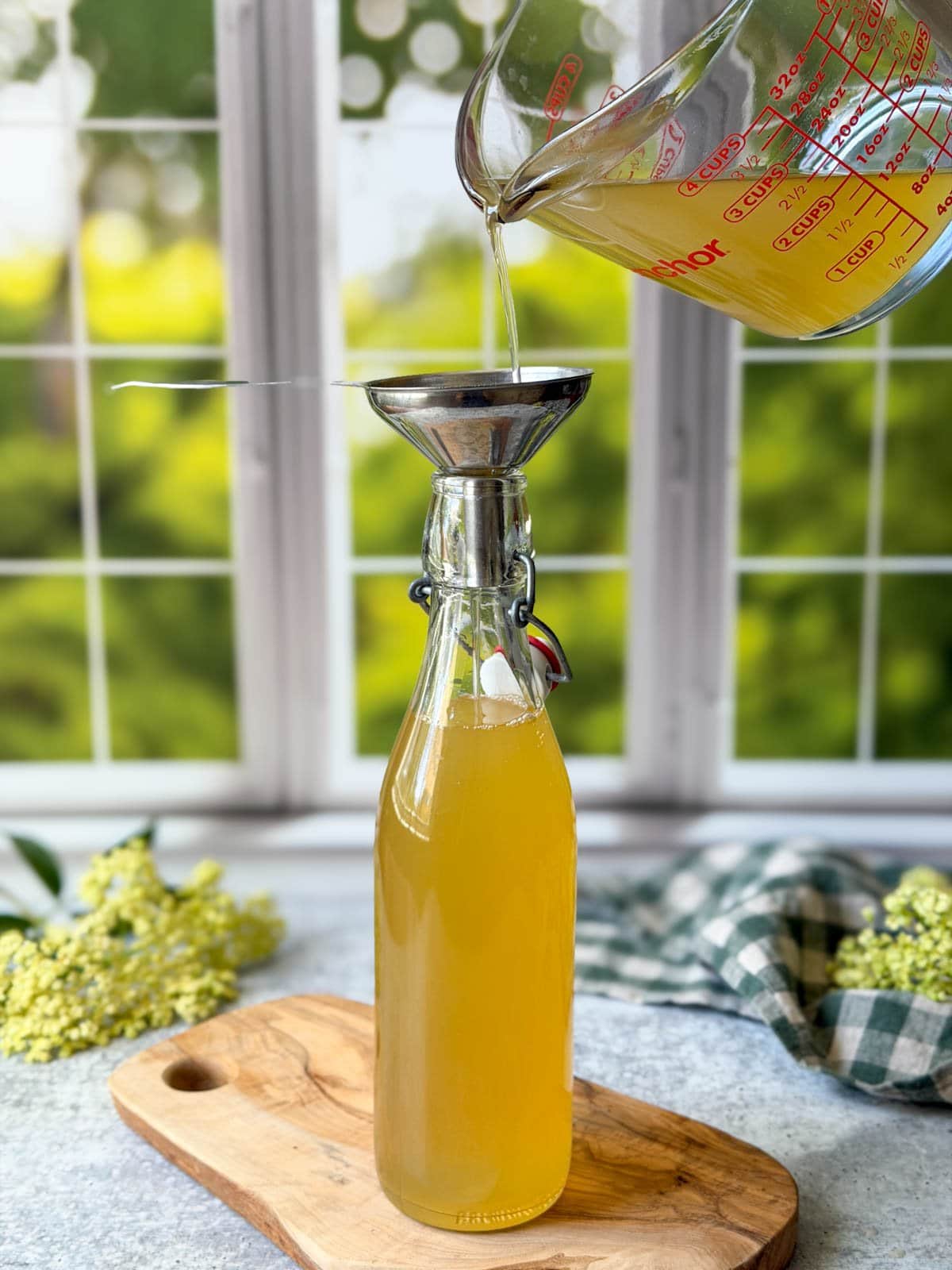
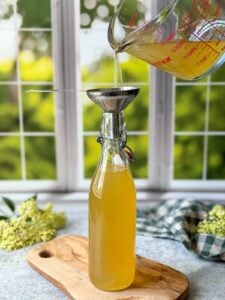
- Finally, transfer the strained elderflower cordial into storage containers of choice – such as a glass bottle or jar. Use a funnel as needed.
- Enjoy! See storage and shelf life information plus ways to use it below.
Storage and Shelf Life
Store homemade elderflower cordial in the refrigerator.
When made with citric acid (a key preservative), elderflower cordial should last for at least 3 to 6 months (or longer) – though I always use it up before then! Without citric acid, plan to use it within 1 to 2 months.
If the syrup grows mold, becomes cloudy or slimy, or develops off odors/flavors then it has gone bad and should be discarded.
PRO TIP: If you didn’t use citric acid, you can simmer your finished cordial for about 10 minutes before bottling to help sterilize it and extend the shelf life. Heating the mixture can also help neutralize the toxins (cyanogenic glycosides) found in the stems, if you’re concerned about that or didn’t remove them well enough.
How to Use Elderflower Cordial or Syrup
Get ready – you’re in for a treat!
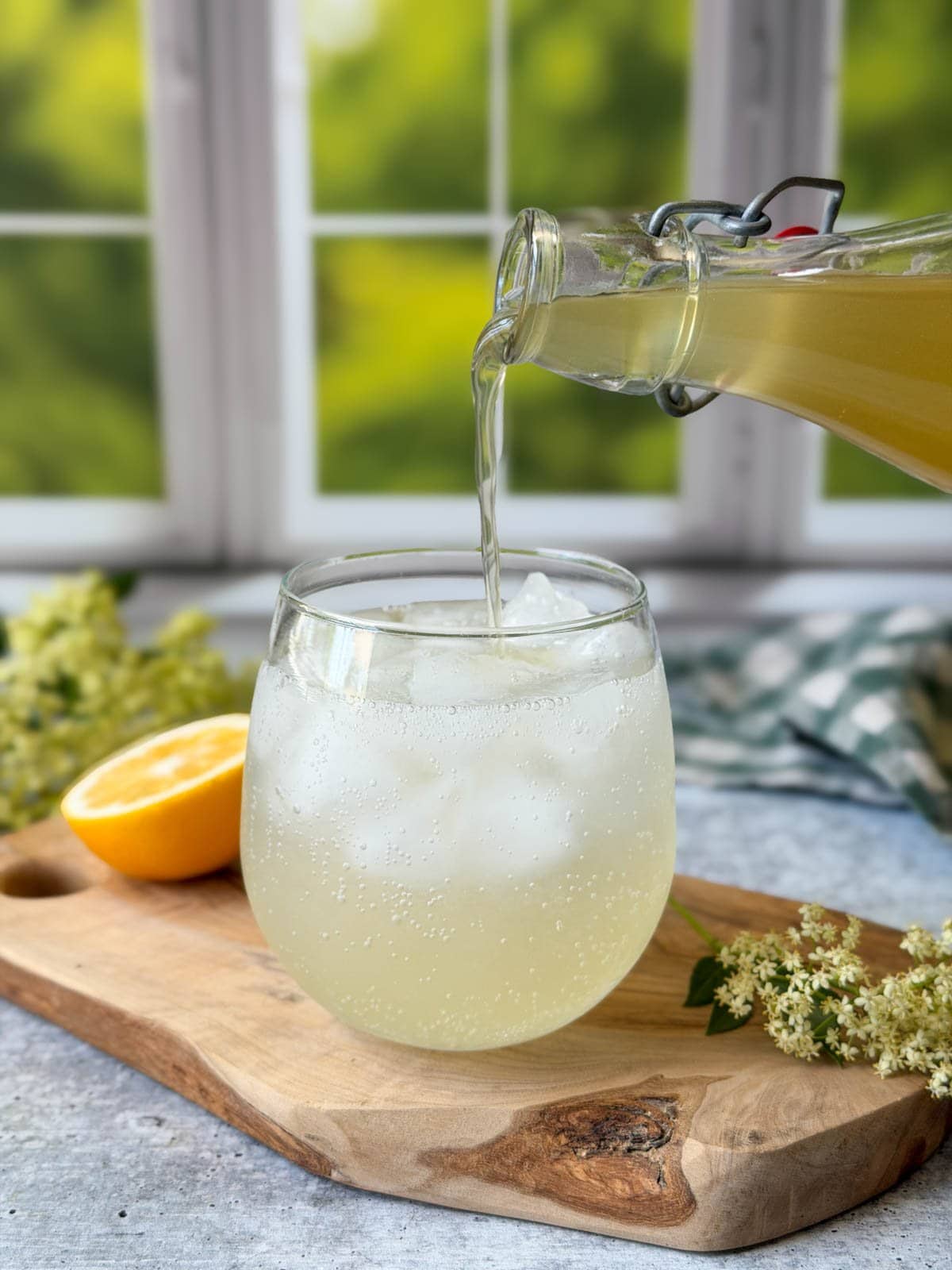
- Add a splash (1 to 2 tablespoons) of elderflower cordial to sparkling water for a delicious refreshing natural “soda”. This is my favorite way to use it, especially on a warm afternoon working in the garden. Feel free to add more syrup if you like it sweeter.
- Elderflower cordial also pairs exceptionally well with prosecco, gin, vodka, sparkling wine, and champagne – like an elevated mimosa.
- Mix it into your favorite mocktails, hot or iced tea. I love to pair 1 Tbsp cordial plus 1 Tbsp homemade fruit shrub for the perfect sweet-and-sour combo.
- Drizzle elderflower syrup over breakfast, baked goods, or desserts such as pancakes, plain yogurt, oatmeal, ice cream, waffles, or crepes.
- You can also mix a little into fruit fillings (think cobbler), buttercream frosting, a cake soak layer, or anything else that could use a little splash of sunshine and sweetness.
Well friends, I hope you enjoy this easy elderflower cordial recipe as much as I do! Please let me know if you have any questions in the comments, and come back to leave a review once you give it a try.
You may also like:
- Fruit Shrub Recipe: How to Make Delicious Drinking Vinegar
- Easy Golden Milk Recipe (Turmeric Latte) with Vegan Options
- Preserving Apples: How to Make Homemade Apple Cider Vinegar
- Easy Fire Cider Recipe: How to Make Homemade Fire Cider
- How to Safely Make Sun Tea With Fresh or Dry Herbs
Easy Elderflower Cordial (Syrup) Recipe
Want to save this?
Equipment
- small saucepan
- quart jar with leak-proof lid (or larger, if you double the recipe)
- fine mesh strainer and/or cheesecloth
- storage bottles or jars
Ingredients
- 1-2 cup fresh elderflowers, de-stemmed, about 12 medium to large elderflower heads. (or sub with 1/3 to 1/2 cup dried elderflowers)
- 2 cups water
- 2 cups white sugar or organic cane sugar
- 2-3 organic lemons, I like to use 2 medium sliced Meyer lemons plus the juice of 1 squeezed into the jar
- 1/2 tsp citric acid (optional but recommended for better preservation and shelf life)
Instructions
- Harvest about a dozen elderflower clusters when they're in full bloom (they're most flavorful and fragrant once they turn light yellow) but before they form immature berries. Do not wash the flowers.
- Carefully pluck the flowers from the green stems (which are slightly toxic) until you have at least 1 cup of tiny white flowers. Remove as much of the stems and other debris as possible.

- Thoroughly wash and thinly slice 1 or 2 lemons and add them to the bottom of a clean quart jar, followed by the elderflowers on top. I also squeeze in the juice from an additional lemon.
- Combine the sugar and water in a small pot on the stovetop. Bring to a light boil and stir until sugar is dissolved. Remove from heat and stir in the citric acid while it's still hot.
- Allow the sugar water mixture to cool just slightly (still warm but not boiling hot) and then pour it over the flowers and lemons until the jar is full.
- Add a leak-proof lid and let the mixture infuse at room temperature for 1-2 days. Gently shake the jar a couple times per day to encourage mixing. (Don't go any longer than 3 days, which could result in unwanted fermentation and gas build-up in the jar. See same day option in notes below.)
- When the time is up, use cheesecloth-lined strainer over a bowl to strain the solids away from the liquid. Gently press or wring out the solids to extract as much syrup as possible.
- Finally, transfer the strained elderflower cordial into storage containers of choice – such as a glass bottle or jar. Use a funnel as needed.
- Store the finished cordial in the refrigerator. If you used citric acid it should stay good for at least 3 to 6 months (or longer). Without citric acid, plan to use it within 1-2 months. You can also gently simmer the finished syrup for 10-15 minutes before final bottling to help sterilize and extend the shelf life.
- If the syrup grows mold, becomes cloudy or slimy, or develops off odors/flavors then it has gone bad and should be discarded.
- Add a splash (1 to 2 tablespoons) of elderflower cordial to sparkling water for a delicious refreshing natural “soda”, or mixed in cocktails, mocktails, hot or cold tea. Add more if you like it sweeter.
- Elderflower cordial pairs well with prosecco, gin, vodka, sparkling wine, or champagne as well as breakfast, baked goods, or desserts such as drizzled over pancakes, plain yogurt, oatmeal, ice cream, waffles, or crepes. You can also mix it into fruit cobbler, cake soaks, or buttercream frosting.
Notes



6 Comments
Patricia
Hello summer in a glass – YUM! I’ve had elderberries in my garden for years and don’t know why I never used them for this before! I really appreciate the new recipe and will be using it every year now. Thank you!
Deanna Talerico
Hey Patricia, I’m so glad you enjoyed it! It’s a summer favorite around here too. Thanks for the review!
Mariangela Sassi
I was gifted an elderberry bush from a friend in Berkeley who had shared their elderflower syrup at a party. I’d love to see more pictures of your bushes in bloom and location to understand where I should plant this thing to maximize potential.
Aaron (Mr. DeannaCat)
Hi Mariangela, our elderberry bushes are just growing wild here and there throughout our property, in most places they growing in and amongst the oak trees. Your elderberry bush will likely do best in full sun but they do like consistently moist soil so you will want to be sure that it is mulched well (likely why our elderberry grow in heavily leaf mulched areas as they don’t have irrigation outside of rain). Depending on the variety, they can and do grow 10-15 feet so you will want to be sure it’s in a location where you don’t mind it getting large although they can be pruned back easy enough each winter. Also be aware that they are toxic to most animals so if you have dogs, you may want to keep it separate from their space so you don’t have to worry about them eating the limbs, leaves, and fruit. Our donkeys don’t eat them but I wouldn’t put it past a dog to eat them.
Teresa Clemens
This sounds amazing! I do have a question, we have lots of the red elderberry growing here in Oregon can I use the flowers from them?
Thank you for all your inspiring ideas!
Aaron (Mr. DeannaCat)
Hi Teresa, the cordial is delicious but I don’t believe you can use red elderberries as most of the information I have found regarding them is that they are even more toxic and are not used in the same way as black elderberries. Hope that helps.