

The Best Way to Break a Broody Hen (and How to Prevent It)

Do you have stubborn, hormonal, broody chicken on your hands? Let’s talk about how to break a broody hen! This post will cover all the broody basics: why it’s not good for their health, how to prevent chickens from going broody in the first place, and the most tried-and-true way to stop or “break” the cycle.
I have several chickens that repeatedly go broody in spring every year, and these tips works like a charm!
RELATED: Keep your flock as healthy as possible (and save money!) by fermenting chicken feed. Our girls love it, and the extra nutrients get passed down into their eggs too.
What is a broody hen?
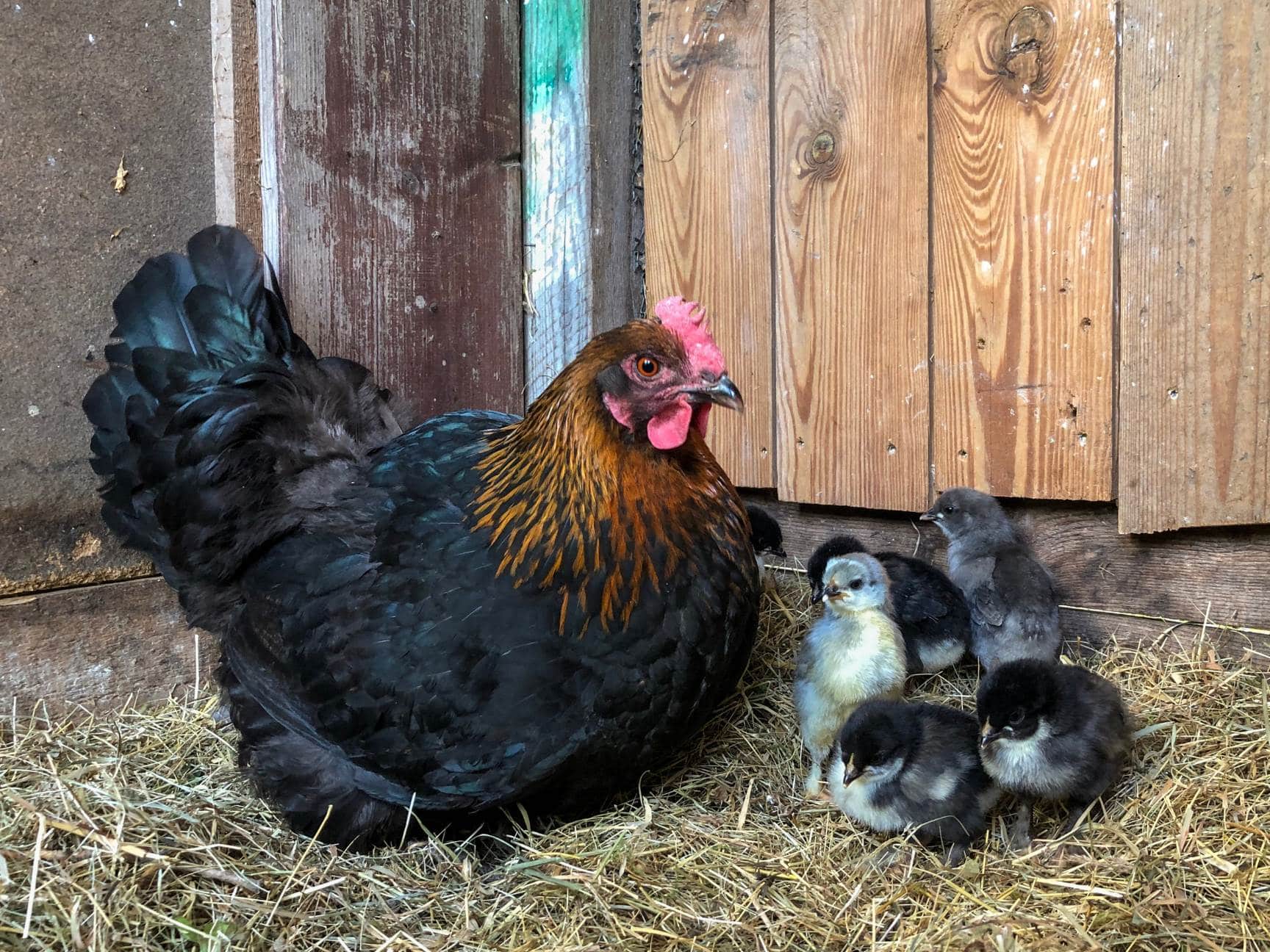
A broody hen is a female chicken that is determined to sit on eggs with the intention of incubating them to hatch – whether the eggs are fertilized or not. (Hens can go broody regardless if you have a rooster in your flock.)
While it’s part of a hen’s natural instinct and hormone cycles, some breeds or individual chickens are more prone to going broody than others. For instance, Buff Orpington’s and Silkies are notorious for wanting to be moms! On the other hand, some hens may never go broody at all.
Chickens are most likely to go broody in the spring or summer, though it can happen any time of year.

Want to save this?
Disclosure: Homestead and Chill is reader-supported. When you purchase through links on our site, we may earn an affiliate commission.
How to tell if a hen is broody
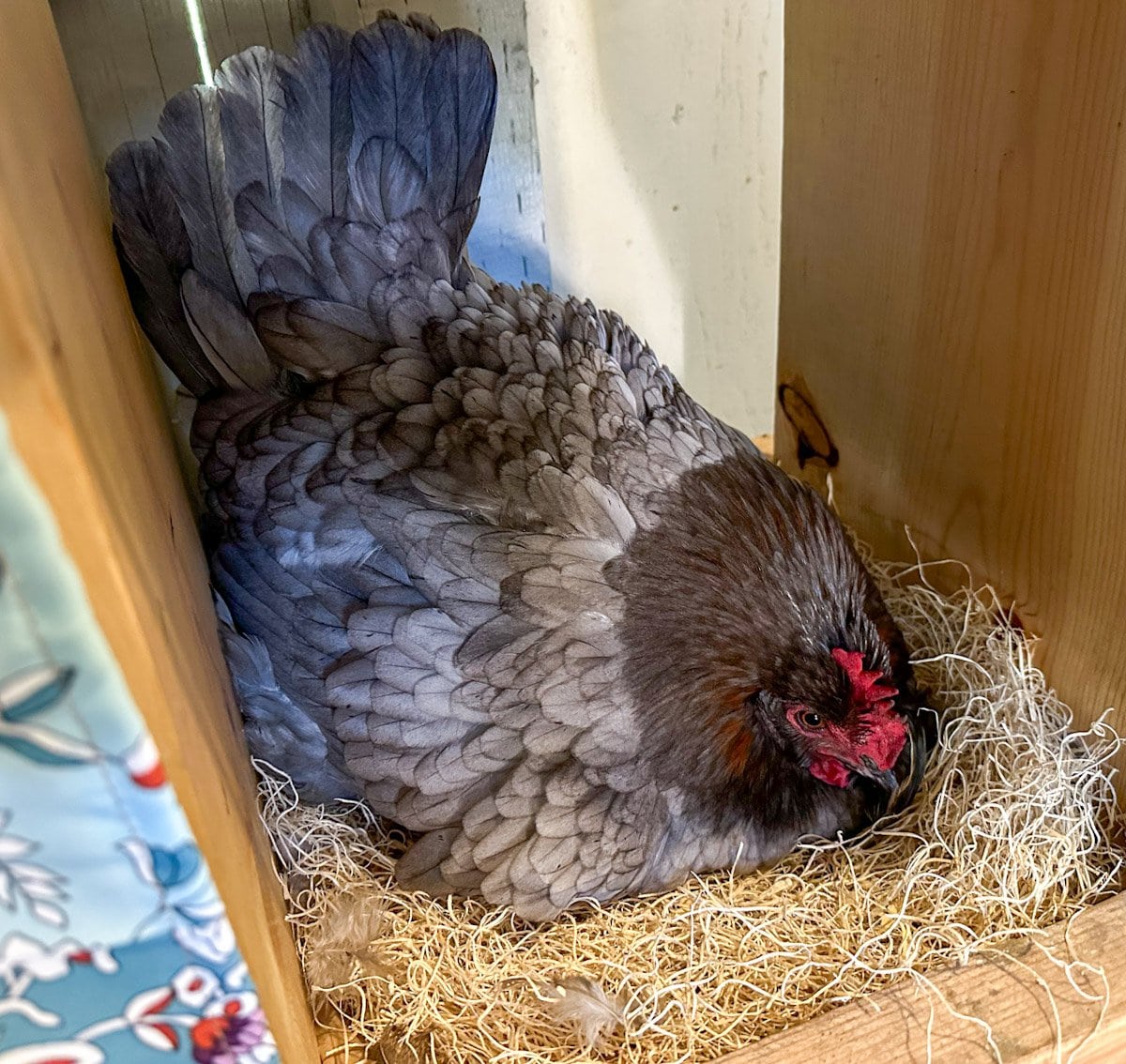
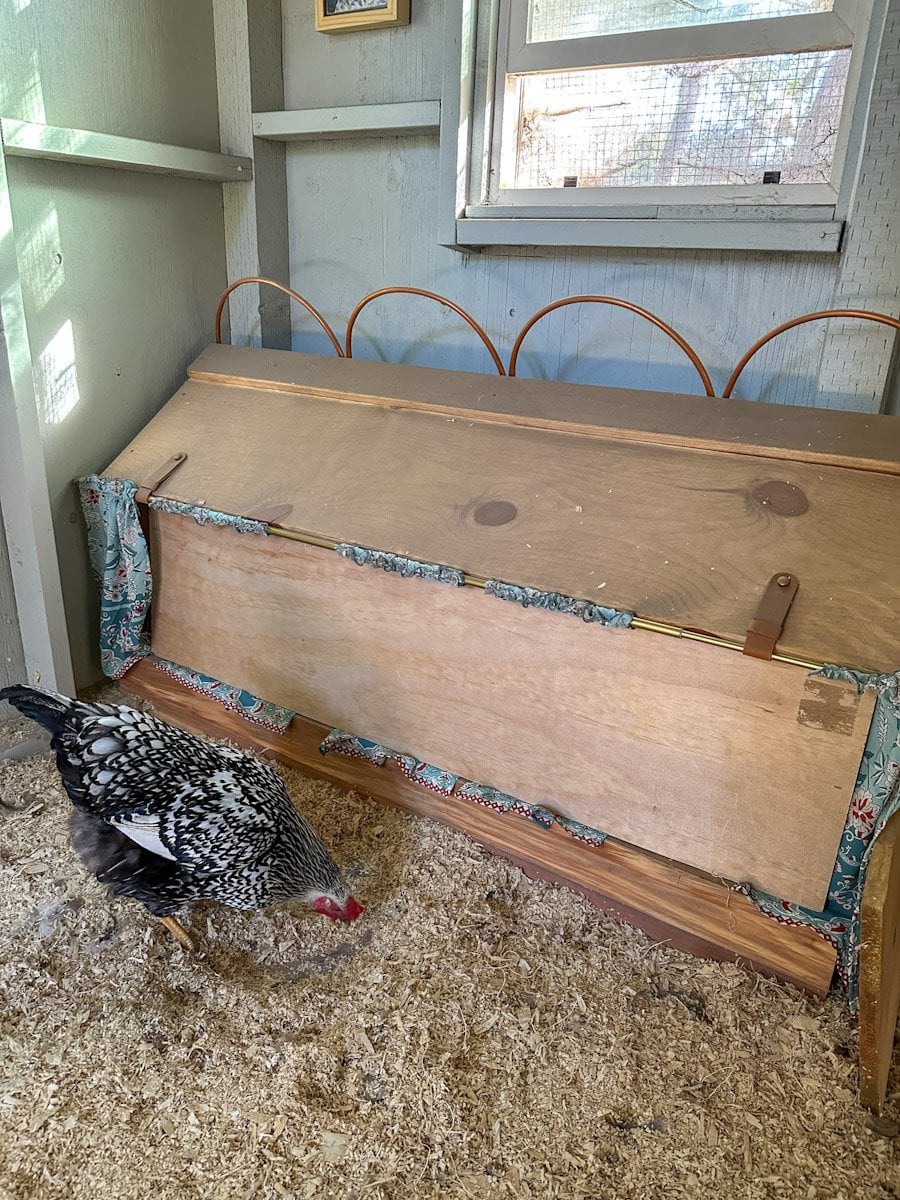
The most obvious sign that a hen is broody is when she is hunkered down and won’t leave the nest. If you remove her from the coop, she’ll run right back into the nest boxes.
When approached, a broody hen will usually puff up her feathers to make herself look larger. She will often make funny high-pitched vocalizations or growling noises, akin to a pterodactyl dinosaur. A broody hen may also peck at you while defending her clutch.
Once fully broody, they stop laying eggs – switching to incubation mode only.
Note: Some of my girls will fluff up and make noises when I check on them in the nest box (even when they aren’t broody) but leave the coop shortly after laying their egg.
Is being broody a bad thing? Why stop it?
Unless you want your chicken to have babies, it’s not good to let a hen be broody. While broody, she will not take care of herself as she normally would, which can easily lead to health issues. So much so, brooding hens usually require special care and separation from the rest of the flock.
Therefore, it’s important to stop or break the cycle as soon as you notice broody behavior. Especially if you don’t have a rooster! Without fertilized eggs, they’re putting themselves at risk for nothing.
- While brooding, most hens will only leave the nest once or twice a day to eat, drink, and go to the bathroom. In some cases, some extra-stubborn gals refuse to get up at all! This behavior can quickly lead to dehydration, weight loss, and nutritional deficiencies.
- During hot summer weather, refusing to leave the coop for fresh air greatly increases the risk for heat stroke or even heat-related death. Chickens are far more sensitive to hot temperatures than the cold, and broody hens have an even higher internal temperature!
- Broody hens may pluck out their own chest and belly feathers in an attempt to sit closer to and better warm the eggs. Once they return to the flock, the exposed skin puts them at risk of pecking and bullying by the others.
- Broody hens stop laying eggs, and even after you break her she may not resume laying eggs for several more weeks. Learn about other common reasons chickens stop laying eggs.
How to prevent hens from going broody
There are a number of easy ways to prevent your chickens from going broody. While none of these are foolproof, they should help reduce the likelihood.
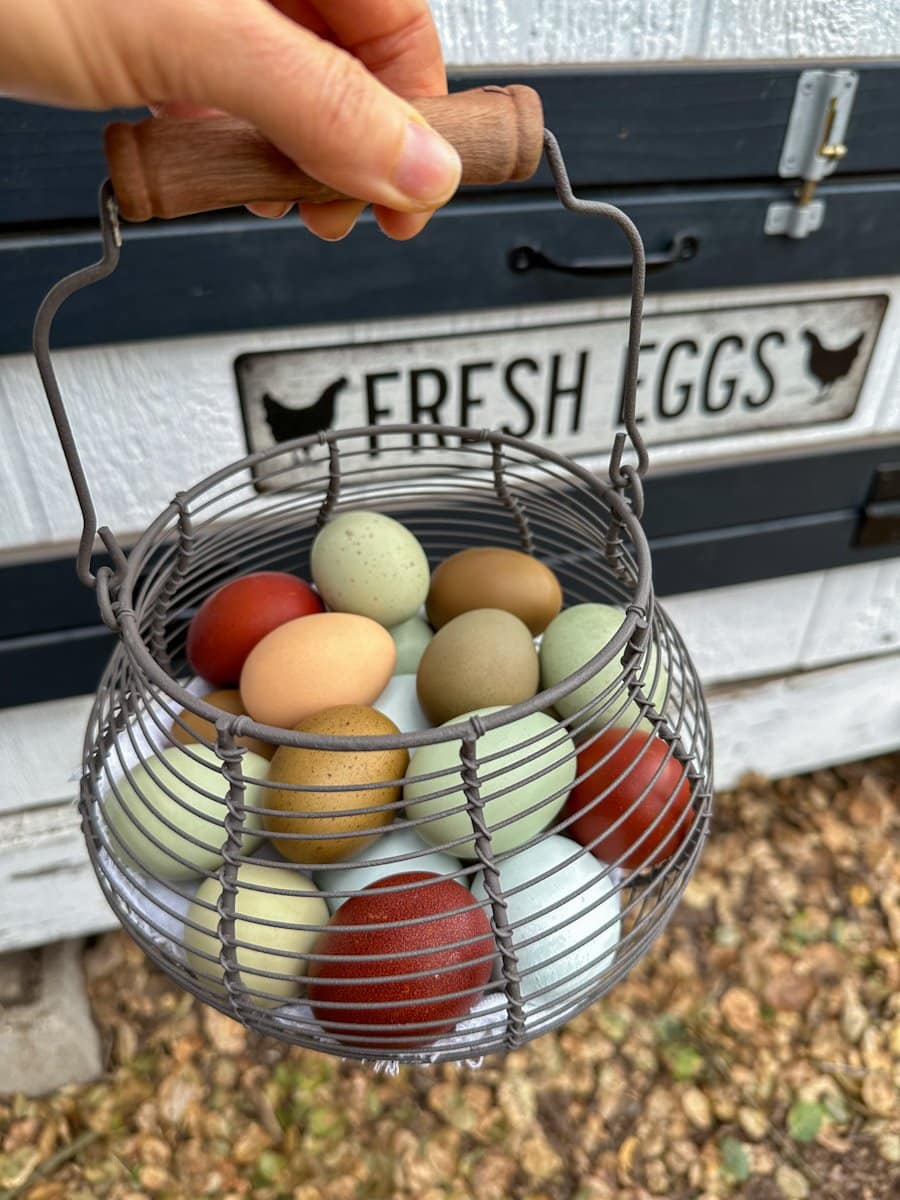
- Collect eggs at least daily. The more eggs left sitting the nest, the more likely it will trigger the urge to brood them! If you have a lot of chickens, try to collect eggs a few times per day if your schedule allows. (Don’t miss our essential tips on how to store fresh eggs to make them last!)
- Encourage chickens to leave the nest box once they’ve laid an egg. If I see my gals hanging out after they’re done, I give them gentle nudge to get out and move on with their day.
- When you get new chickens, choose breeds that are less prone to go broody. For instance, Barred Rocks, Leghorns, Legbars, Rhode Island Reds, and Barnvelders are a few common breeds that rarely go broody (though not guaranteed).
- Look for hidden nests or laying spots in the coop, run or yard. Sometimes they prefer to brood in hiding!
How to Break a Broody Hen: First Steps
It’s best to intervene as soon as you notice your hen acting broody. The longer she’s allowed to sit on eggs, the deeper into the cycle she’ll get, and the more difficult it will be to “reset” her. Before I explain the best way to break a very determined broody hen (below), here are a few easier steps you can try first – especially if you catch it early.
- Collect all the eggs and remove her from nest and coop. Her body will likely be stiff and resistant, so don’t just shove her off! Gently pick her up and take her outside to the chicken run or yard. I like to offer some chicken-safe treats to help her get some calories, doubling as a nice distraction. If she returns to the nest later in the day, repeat the process several times if needed. Consistency is key! Yet if she immediately runs straight back to the nest, proceed to the next steps.
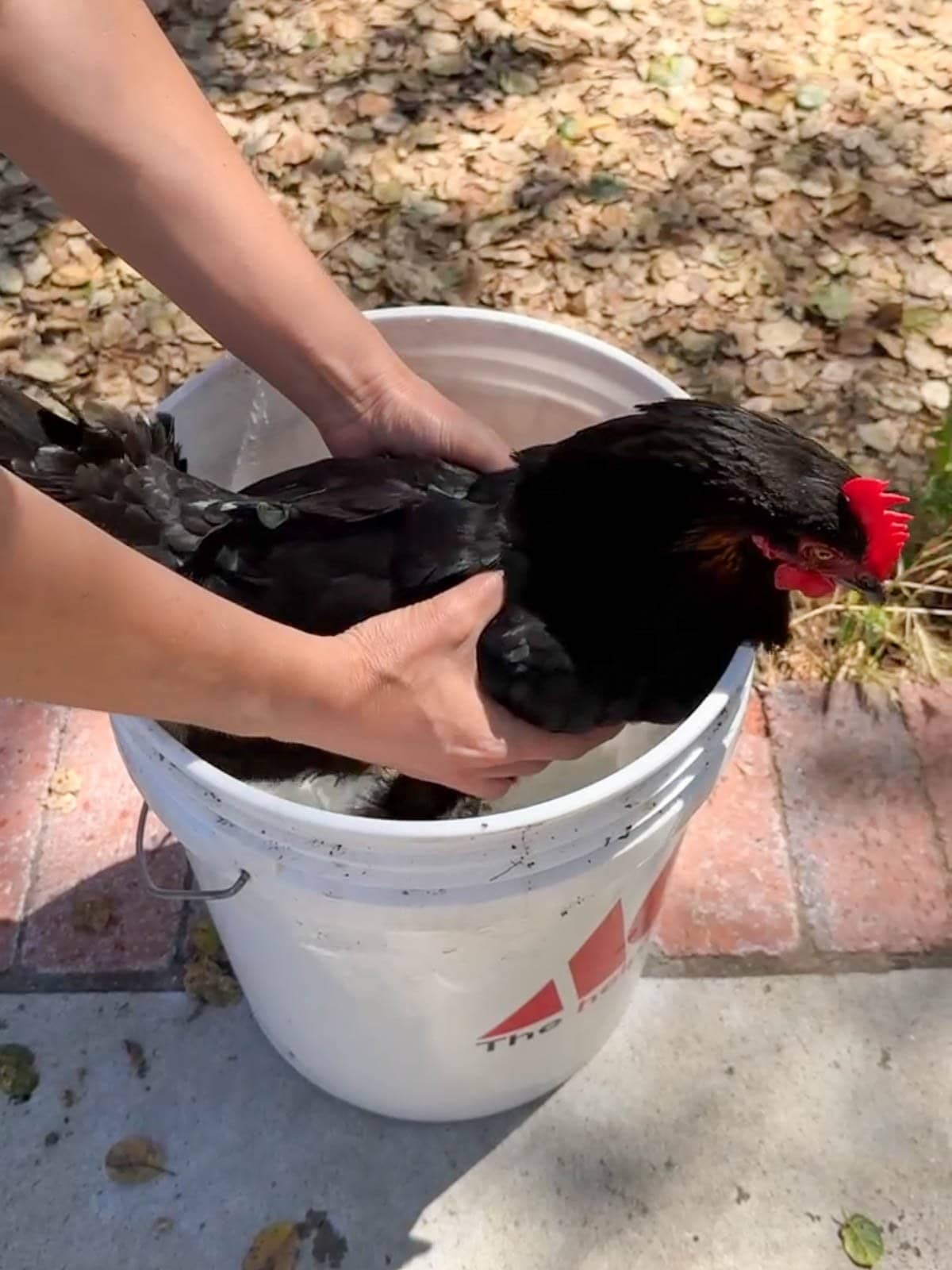
- Cool her down. When a hen is broody, her body temperature becomes elevated to help incubate the eggs. So, sometimes lowering their body temperature can help reset her hormones. One simple way is to tuck a frozen water bottle or ice pack beneath her. (I wrap mine in a paper towel so it isn’t overly cold against her.) Another option is to gently dunk her lower half in cool water for a minute or two, but only do this when it’s warm and dry outside!
If these steps don’t work, it’s time to separate her.
The Best Way to Break a Broody Hen: Separation
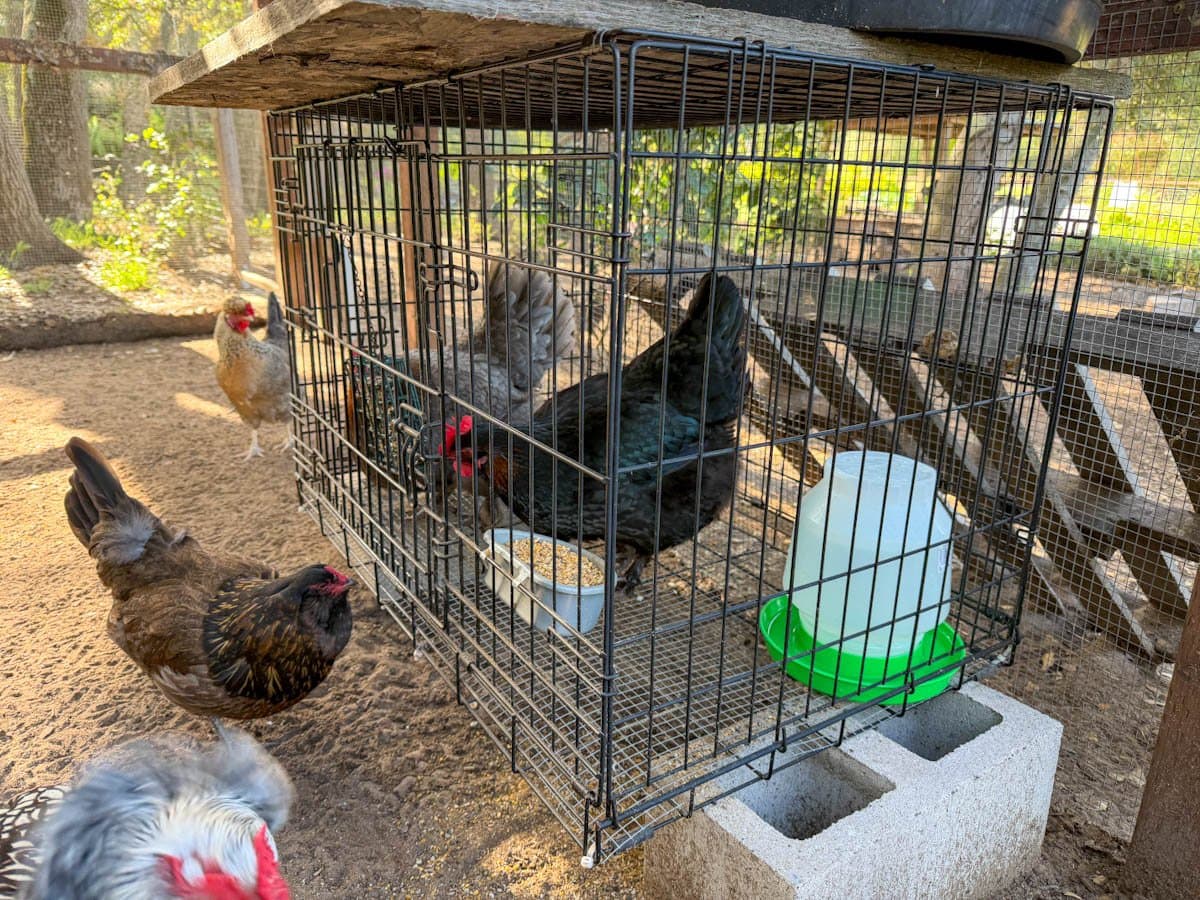
When all else fails, the absolute best way to break a broody hen is to separate her in a smaller, safe enclosure for a few days – aka broody jail. The main goal is to prevent her from accessing the nest boxes (or other places she may want to brood) as well as cool her down to reset her hormones.
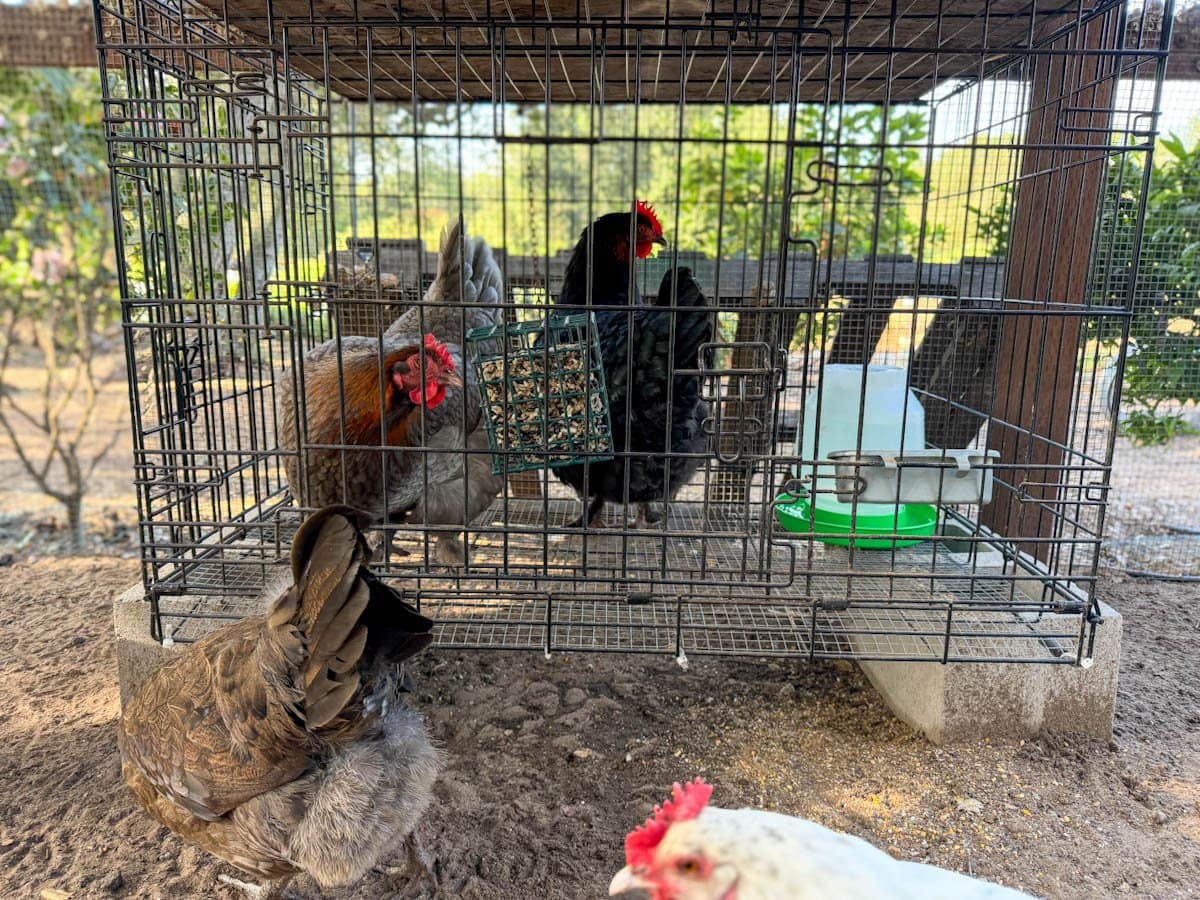
- I like to separate my broody hens in a large dog crate. Provide food and water inside, and ensure it is safe from predators.
- I’ve found it works best to slightly elevate the broody crate off the ground, remove the solid bottom, and replace it with a fine mesh material they can safely and comfortably stand on like hardware cloth (be careful of the pokey edges). This increases airflow and cooling to their underside, which helps calm down their hormones. That way they can’t just “nest” on the bottom of the crate too.
- To reduce stress and disruption to the pecking order, keep her in a location where she is still part of the flock as much as possible. Also choose a location that’s in shade to partial shade.
- To fully break a broody hen, it’s best to keep her separate and away from the nest boxes for at least two full days, perhaps three or four in some cases. Let her out after two full days. If she runs back to the nest box, immediately return her to broody jail.
- At night, I like to bring my broody inside (garage or laundry room) so they don’t feel scared in a cage outside alone. To do so, I keep one larger dog crate out in the run and have a second smaller crate in the garage (since it doesn’t need space for food or water overnight) – which is also elevated with a wire floor. Yet you could simply move your crate indoors if you only have one.
NOTE: I’ve tried putting the broody crate inside the coop overnight (instead of the garage), but found she’d get more stressed since she could see the rest of the flock and wanted to roost with them. But you could also try that!
And that should do it!
After following these tips and steps, you should be able to successfully break a broody hen. Unfortunately, persistent chickens will likely try again sooner or later. Some chicken keepers eventually cave in and let them hatch some eggs, or give them a clutch of fertilized eggs if they aren’t already. Personally, we have enough chickens at the moment… so we’ll pass on more chicks!
I hope you found this post to be helpful. Please feel free to ask any questions or share your experiences in the comments below.
Don’t miss these related posts:
- 11 Easy DIY Chick Brooder Box Ideas with Photos
- Introducing New Chickens (or Chicks) to a Flock: Best Practices
- 500+ Best Chicken Names: Funny, Cute, Unique, Puns and More
- Best DIY Flock Block Recipe: How to Make a Chicken Treat Block


You May Also Like

How to Keep Chickens Warm In Winter + Prevent Frostbite

Raising Baby Chicks 101: The Best Beginner’s Guide
